Algorithmic Patterns in Player Retention Across Virtual Gaming Networks
Willa Reed · Aug 27, 2026
Algorithmic Patterns in Player Retention Across Virtual Gaming Networks
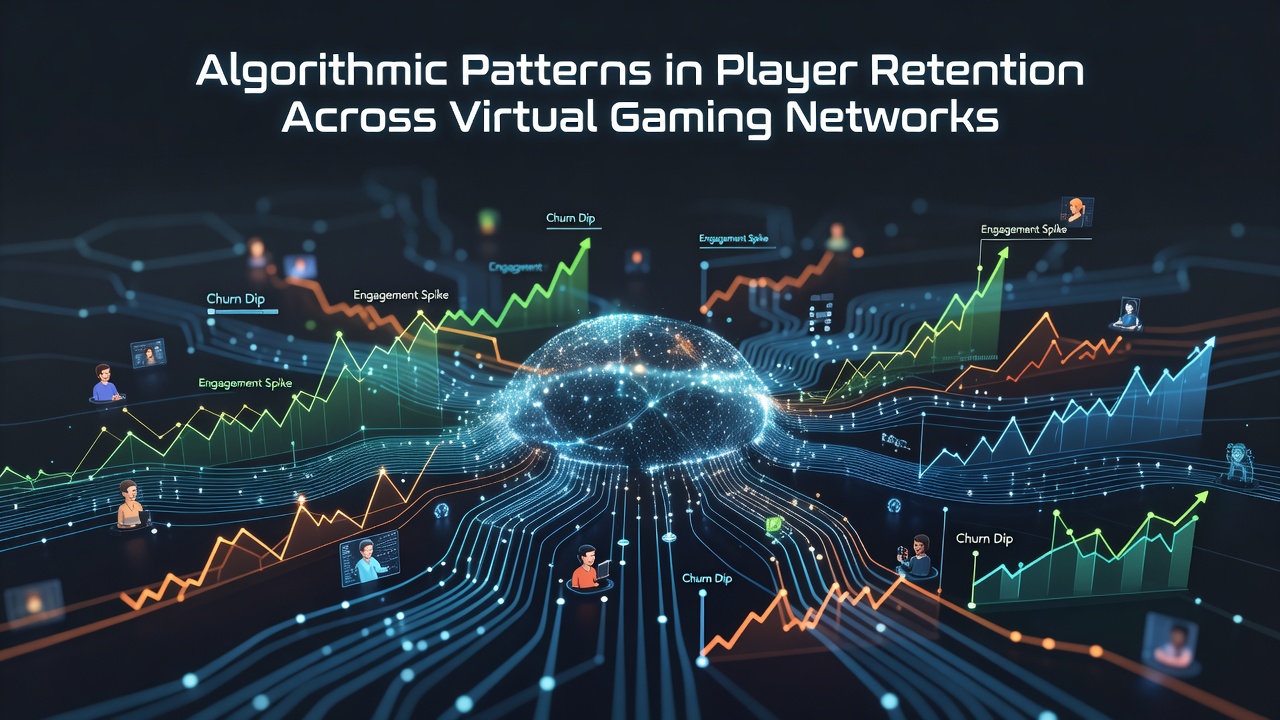
Virtual gaming networks rely on sophisticated algorithmic systems to analyze player behavior and adjust retention tactics in real time, with machine learning models processing login frequencies, session durations, and in-game purchase patterns to forecast churn risks. These systems integrate multiple data streams from user interactions across platforms, allowing operators to deploy targeted interventions such as personalized bonus structures or adjusted difficulty levels before players disengage. Research from institutions like the University of Nevada Reno Gaming Innovation Lab has documented how predictive analytics identify at-risk accounts through variables including win-loss ratios and social connectivity metrics within multiplayer environments.
Key Components of Retention Algorithms
Core retention algorithms combine supervised learning techniques with reinforcement learning loops that refine recommendations based on ongoing player responses, and they process datasets encompassing thousands of behavioral signals per session. Clustering methods group users into segments such as high-frequency casual players or competitive high-rollers, after which decision trees assign retention priorities while regression models estimate lifetime value adjustments. Observers note that these patterns often incorporate A/B testing frameworks to measure the impact of specific nudges like timed notifications or loyalty point multipliers, and data from industry reports shows measurable lifts in return rates when algorithms optimize for individual play styles rather than broad population averages.
Integration of Behavioral Data Streams
Platforms aggregate telemetry from mobile, desktop, and console endpoints into centralized repositories where time-series analysis detects deviations from established play rhythms, such as sudden drops in daily active minutes or shifts away from social features. Natural language processing scans chat logs and forum activity for sentiment indicators that correlate with departure likelihood, while graph algorithms map friend networks to leverage peer influence through shared rewards. Those who study these systems point out that geographic and temporal factors receive weighting in models to account for regional regulations and peak-hour server loads, creating dynamic thresholds that adapt as new information arrives from live sessions.
External validation comes from sources including the American Gaming Association reports on digital engagement trends, which track how algorithmic personalization influences repeat participation across networked titles. Similar patterns appear in analyses released by Australian research centers examining cross-border virtual economies and their retention mechanics.
Observed Shifts in August 2026
By August 2026, several networks had updated their retention suites to incorporate real-time generative models that simulate future play trajectories and preemptively adjust reward schedules, and this coincided with expanded use of federated learning to maintain privacy compliance while still pooling aggregate insights across operators. Figures from regulatory filings in multiple jurisdictions reveal increased investment in explainable AI layers that allow administrators to audit why certain players receive specific offers, reducing the opacity that previously complicated oversight. Those monitoring these developments report tighter integration between retention engines and live event calendars, where algorithms align promotional pushes with seasonal tournaments or limited-time modes to sustain momentum.
Evaluation Metrics and Model Performance
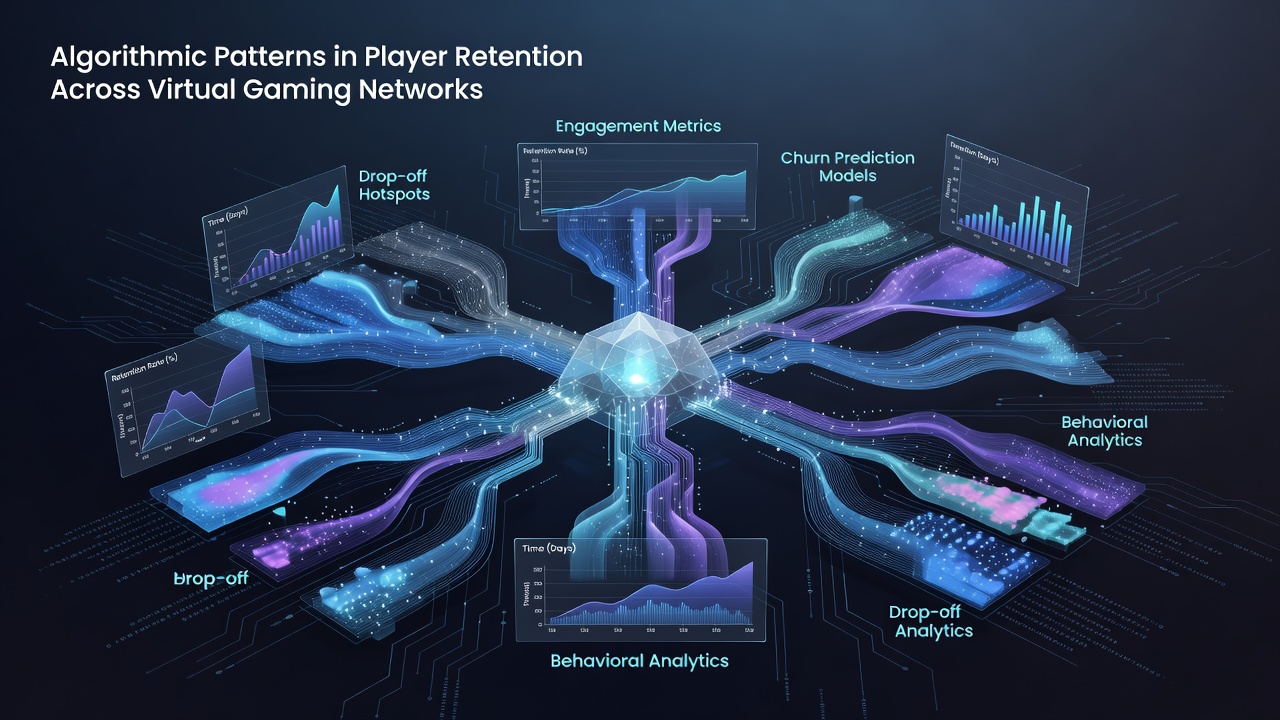
Performance assessment relies on metrics such as precision-recall curves for churn prediction alongside uplift modeling that quantifies incremental retention attributable to algorithmic interventions. Cross-validation across historical datasets helps prevent overfitting to short-term spikes, and operators routinely compare results against control groups that receive no personalized adjustments. Evidence suggests that hybrid approaches blending collaborative filtering with content-based features achieve stronger long-term stability than single-method systems, particularly when networks span diverse game genres from casual puzzle formats to complex strategy simulations.
Conclusion
Algorithmic patterns continue to evolve as virtual gaming networks scale, with ongoing refinements driven by larger datasets and improved computational resources. Regulatory bodies across regions maintain scrutiny over transparency requirements, while academic and industry collaborations refine the underlying statistical frameworks that support sustained player participation. These developments underscore the central role of data-driven systems in shaping engagement dynamics across digital environments.