Analytics Reveal Shifting Player Interests in Virtual Roulette Formats and Blackjack Approaches
Willa Reed · May 24, 2026
Analytics Reveal Shifting Player Interests in Virtual Roulette Formats and Blackjack Approaches
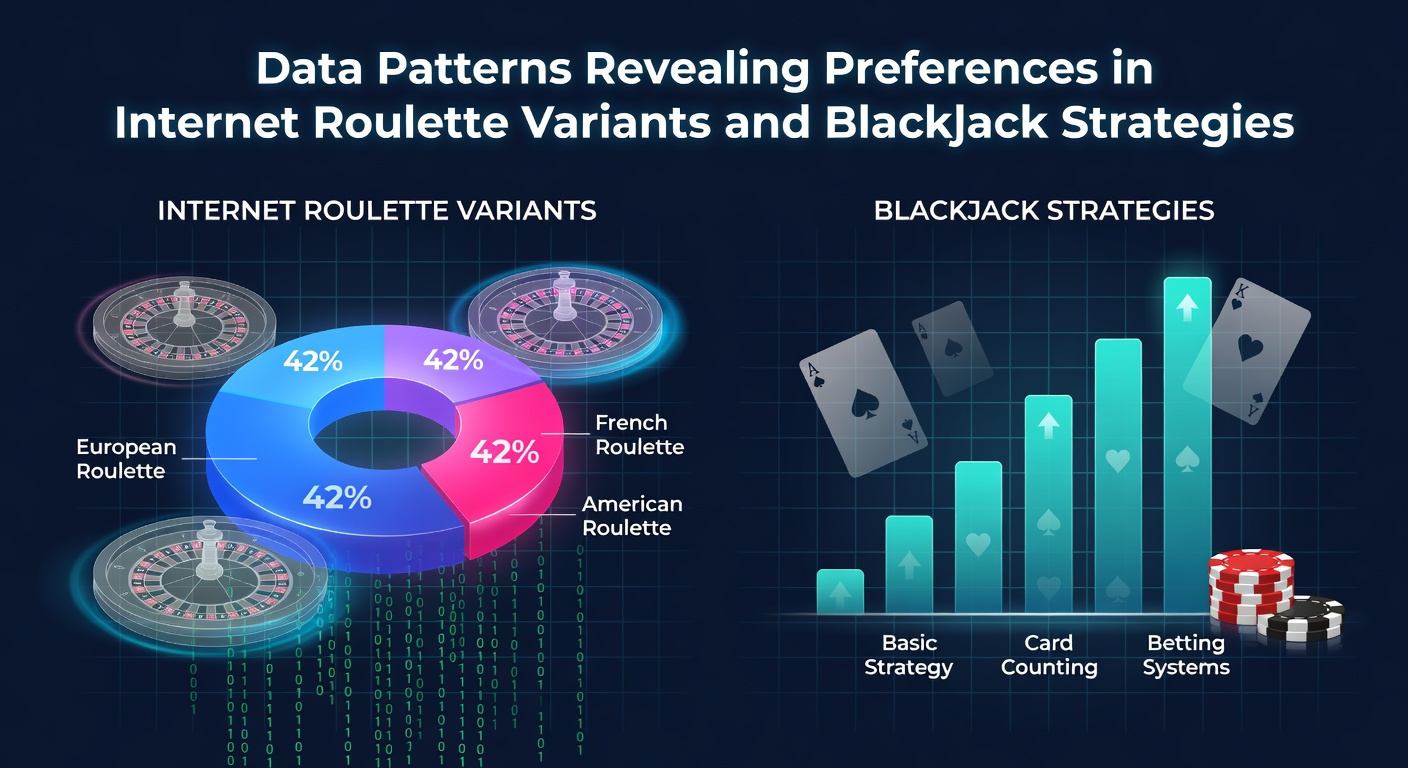
Server logs and session analytics from major platforms continue to map how participants select among roulette variants and apply blackjack tactics in digital environments, and these records show clear divergences in engagement levels depending on rule sets, payout structures, and game pacing. European-style wheels with a single zero maintain higher average session durations compared with double-zero American configurations, while French rules incorporating la partage draw steady repeat play from those tracking house-edge differences over extended periods.
Blackjack variants featuring rules such as dealer stands on soft seventeen and multiple options for doubling attract measurable increases in hand volume per user, whereas games restricting surrender or limiting splits see quicker exits from tables. Aggregated data sets released in May 2026 from North American and European operators indicate that players allocate approximately 62 percent of their roulette time to single-zero formats, with the remainder split between speed-optimized wheels and multi-ball iterations.
Variant Selection Patterns in Roulette
Clickstream records demonstrate that users gravitate toward variants offering transparent return-to-player percentages displayed in real time, and this preference correlates with longer dwell times on sites that surface those metrics prominently. Lightning or multiplier-enhanced roulette draws concentrated bursts of activity during evening hours across time zones, yet standard European tables retain broader daily distribution of play sessions. Observers note that bet-size distributions shift upward when players switch from American to European wheels, suggesting an implicit recognition of improved odds that influences staking behavior without altering overall bankroll management.
Regional breakdowns further illustrate distinctions, since participants accessing platforms licensed under the Malta Gaming Authority show stronger uptake of French roulette with la partage compared with those on Canadian-regulated sites where American variants remain more visible in lobby rankings. These patterns emerge consistently across thousands of sessions, allowing operators to adjust lobby prominence accordingly.
Strategy Application in Blackjack
Telemetry from decision-point tracking reveals that basic strategy adherence rises when interfaces provide optional prompts, though removal of those prompts does not eliminate usage among experienced cohorts. Card-counting indicators appear infrequently in single-deck games hosted online, yet players demonstrate repeated adherence to composition-dependent deviations in multi-deck shoes when rule sets reward such adjustments. Data compiled through 2026 shows that tables offering early surrender maintain higher strategy-compliance rates, measured by deviation from optimal play occurring less than 4 percent of the time versus 11 percent on tables without that option.
Time-of-day analysis indicates that strategy-intensive sessions cluster during weekday afternoons, whereas impulsive play increases on weekends regardless of rule configuration. Platforms that publish historical hand-outcome data see users cross-reference those figures before committing to specific variants, creating a feedback loop that reinforces preference for rule sets with documented lower variance.

Cross-Game Behavioral Correlations
Users who favor European roulette also exhibit elevated persistence in blackjack sessions that allow doubling after splits, according to joint-session logs spanning multiple operators. Conversely, participants selecting American roulette display shorter blackjack sessions and reduced uptake of side bets. These correlations hold across age brackets tracked in anonymized aggregates, pointing to consistent risk-reward calibration rather than isolated game preference.
Payment-method data adds another layer, since users funding accounts via e-wallets show higher rotation between roulette variants within single visits, while credit-card funded sessions tend toward extended runs on a single blackjack table. Such patterns assist in forecasting peak server loads and in tailoring promotional timing without altering core game mathematics.
Implications for Platform Design
Operators responding to these analytics have begun surfacing variant filters that highlight house-edge differentials and rule variations, resulting in measurable redistribution of play volume toward previously underutilized options. A report issued by the American Gaming Association in early 2026 documented similar shifts following interface changes on several major sites, confirming that transparent presentation of statistical information influences selection more than promotional incentives alone.
Additional findings from academic researchers at the University of Nevada, Las Vegas, available at university studies on digital gambling behavior, corroborate that players adjust strategy complexity upward when confronted with clear data displays, while maintaining baseline engagement across both roulette and blackjack regardless of animation style or sound design.
Conclusion
Continued collection of session-level metrics through 2026 and beyond supplies operators and regulators with granular visibility into how rule variations and strategy tools shape participation across internet roulette and blackjack offerings. These records support evidence-based adjustments to game portfolios while preserving the mathematical integrity of each variant, and they underscore the value of ongoing monitoring as new formats enter the market.