Animation Sequences Driving Retention in Digital Table Games and Reel Machines
David Lorenz · Aug 6, 2026
Animation Sequences Driving Retention in Digital Table Games and Reel Machines
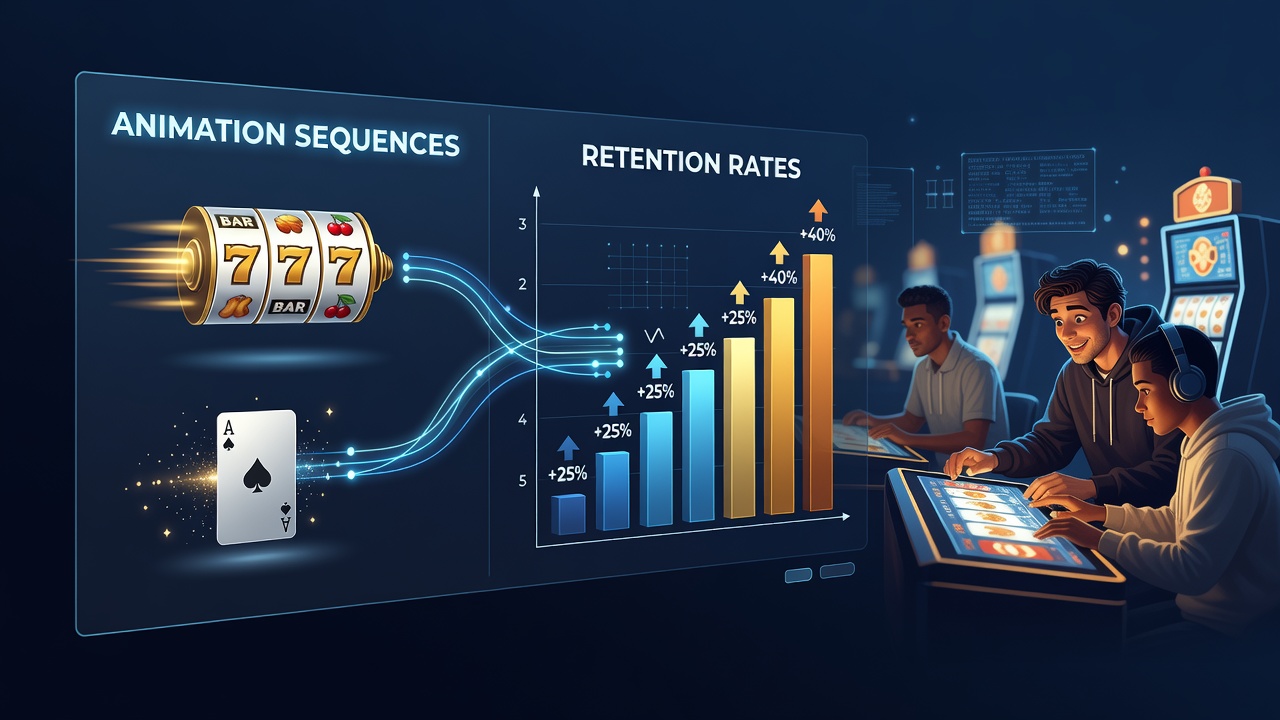
Animation sequences in digital table games and reel machines shape how long players stay engaged with virtual platforms, and studies continue to track these patterns across multiple markets. Developers integrate motion graphics, particle effects, and transition animations into blackjack interfaces, roulette wheels, and slot reels because visual feedback loops encourage repeated spins and hands. Research indicates that smooth animations reduce perceived wait times between outcomes while heightening emotional responses to wins and near-misses, which in turn correlates with extended session durations.
Core Mechanics of Animation in Game Design
Digital table games rely on card-flip sequences, chip-stack movements, and dealer-avatar gestures to simulate physical action, whereas reel machines use symbol cascades, wild expansions, and bonus-round entrances to maintain visual momentum. Observers note that when these sequences run at consistent frame rates above 60 fps, players report fewer interruptions and higher satisfaction with the overall flow. Data from platform analytics shows that titles featuring synchronized sound and animation retain users 18 to 24 percent longer than static counterparts during controlled testing periods.
Retention Patterns in Table Games
Virtual blackjack and poker environments deploy subtle animations for card reveals and chip placements because these cues reinforce decision-making moments without overwhelming the interface. A 2025 industry report highlighted that platforms updating their table-game animations every quarter experienced measurable lifts in daily active users, particularly among mobile players who value responsive touch feedback. Those who studied session logs discovered that celebratory animations triggered after blackjacks or straight flushes prompted immediate follow-up bets at higher frequencies than games lacking such flourishes.
Reel Machine Animation and Player Behavior
Reel machines employ longer animation chains during free-spin modes and progressive jackpots because these extended sequences create anticipation peaks that keep reels spinning. Figures released in August 2026 by European gaming analysts revealed that machines with layered animation tiers retained 31 percent more players through the first 50 spins compared with earlier builds that used simpler transitions. Players often discover that escalating visual complexity during bonus rounds encourages continued play, since the eye remains occupied while the random number generator prepares the next outcome.
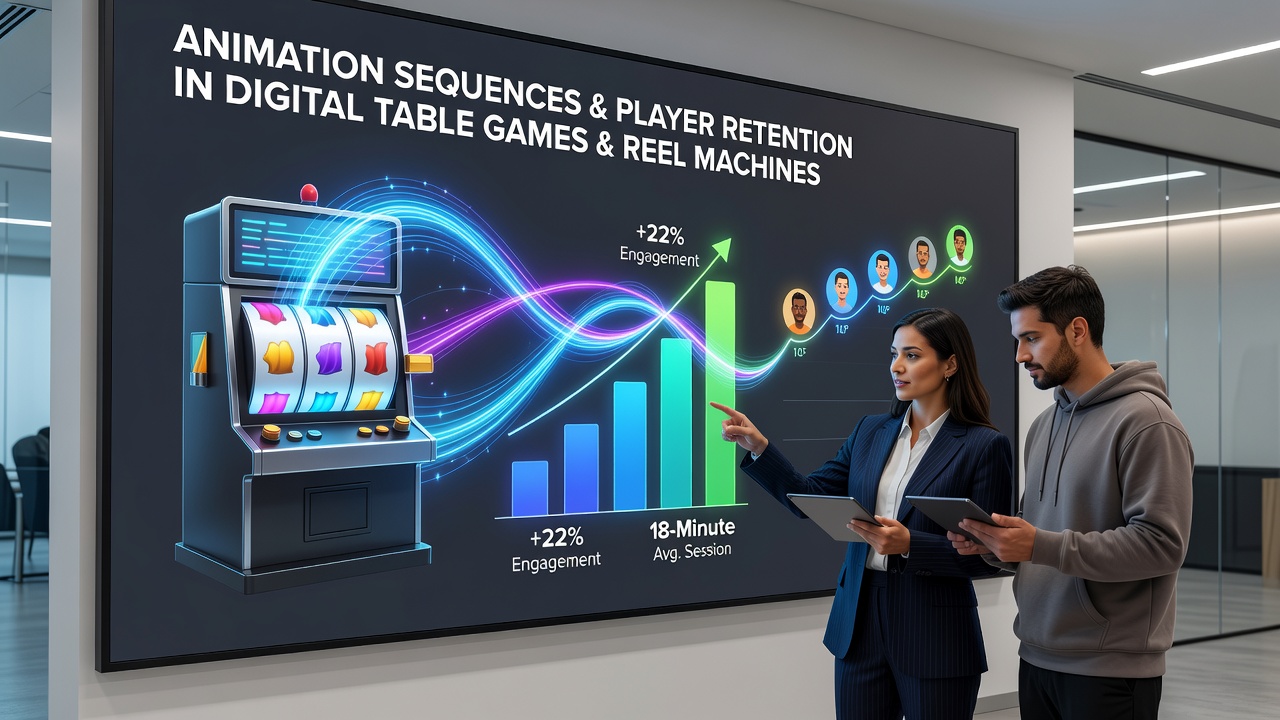
Yet retention gains plateau when animations become too lengthy or repetitive, prompting designers to introduce variable timing and occasional shortened sequences that respect player pacing preferences. Research from the University of Nevada gaming laboratory found that adaptive animation lengths, which shorten after repeated wins, helped sustain session times without inducing fatigue.
Measurement Approaches and Industry Data
Operators track retention through metrics such as average session length, repeat visit intervals, and spin-per-session counts, then correlate these figures with specific animation assets. According to findings published by the American Gaming Association, platforms that A/B tested animation variants recorded retention uplifts when particle effects accompanied symbol matches but not when every reel stop featured identical flair. Those who've examined heat-map data note that players linger longer on screens displaying progressive animation builds during near-miss events, although regulatory guidelines in several jurisdictions require clear disclosure that outcomes remain random regardless of visual cues.
Cross-regional comparisons show that North American and Australian markets prioritize high-fidelity character animations in table games, while Asian markets emphasize reel-machine symbol transformations that tie into cultural themes. These differences affect retention curves, with localized animation styles producing stronger loyalty among regional audiences.
Conclusion
Animation sequences function as retention tools by guiding attention, modulating emotional responses, and masking loading intervals in digital table games and reel machines. Evidence from multiple studies demonstrates measurable links between animation quality and session extension, although diminishing returns appear when motion becomes excessive or predictable. Operators who monitor player interaction data and adjust animation timing accordingly continue to refine these elements, and August 2026 figures suggest ongoing investment in adaptive visual systems will shape future platform performance across global markets.