Crash Games Surge: Multipliers Fueling a New Era in Online Casinos
Willa Reed · Apr 7, 2026
Crash Games Surge: Multipliers Fueling a New Era in Online Casinos
The Rapid Ascent of Crash Games in Digital Gambling
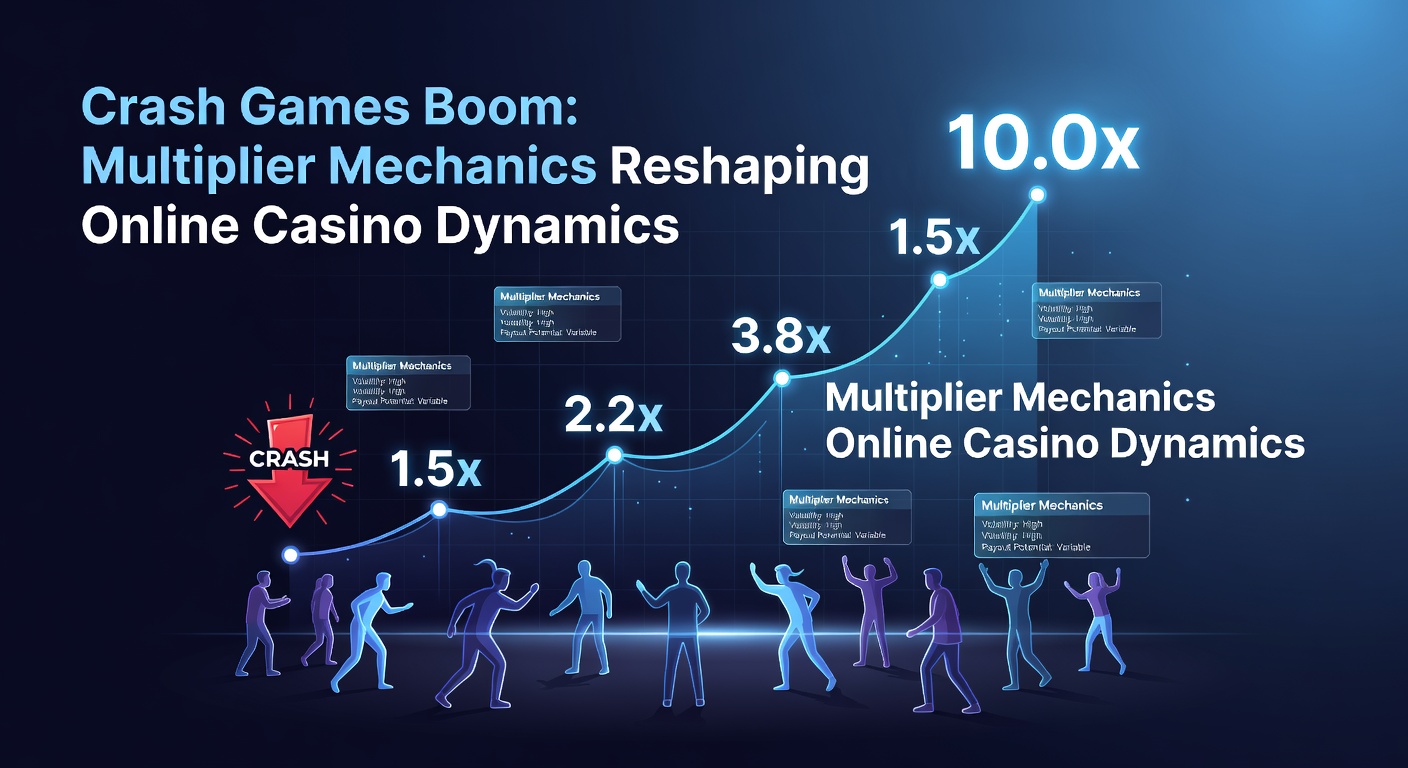
Crash games have exploded onto the online casino scene over the past few years, drawing millions of players with their simple yet thrilling mechanics; these titles, often featuring a rising multiplier line that "crashes" at unpredictable points, let users cash out before the drop to secure winnings, turning sessions into heart-pounding races against fate. Data from industry trackers reveals that crash games now account for a significant slice of casino traffic, with sessions spiking by over 300% in key markets since 2023, while providers report them outperforming traditional slots in retention rates. What's interesting is how this surge ties directly to multiplier systems, which build tension through escalating payouts, reshaping how casinos hold player attention amid fierce competition.
Observers note that crash games first gained traction through pioneers like Spribe's Aviator, launched in 2019, but by April 2026, variants flood platforms worldwide, from Bustabit clones to branded evolutions; players flock to them because rounds last mere seconds, enabling hundreds of bets per hour, far quicker than roulette spins or poker hands. And yet, this speed doesn't sacrifice fairness—many use provably fair algorithms, verifiable via blockchain hashes, which has helped adoption in regulated spaces.
Unpacking the Core: How Multiplier Mechanics Drive the Action
At the heart of every crash game lies the multiplier curve, a graphical line starting at 1x and climbing exponentially until a random crash point halts it, forcing players to decide when to bail with their multiplied stake; this mechanic, powered by random number generators (RNGs) certified for unpredictability, creates asymmetric risk-reward dynamics where early cash-outs yield modest gains but late ones promise life-changing multipliers, sometimes hitting 100x or more. Research from gaming labs indicates that average crash points hover around 2-5x in balanced games, but rare outliers fuel viral stories of massive wins, keeping communities buzzing on social channels.
But here's the thing: multipliers aren't static; advanced titles layer in features like auto-cashout sliders, where players preset exit points (say, 2x), or multiplayer chats that show real-time cash-out decisions from others, amplifying social proof and herd behavior; studies from behavioral analytics firms show this boosts session times by 40%, as users chase the "perfect" exit amid peer pressure. Turns out, the visual ascent—often a rocket, plane, or exploding chart—triggers dopamine hits similar to slot reels, but with more agency, since timing the cash-out rests squarely in players' hands.
Player Engagement Transformed: Retention and Social Layers
Multipliers reshape engagement by blending skill illusion with pure chance, where savvy players analyze crash histories for patterns (though RNG ensures none exist), leading to strategies like Martingale progressions adapted for quick rounds; one case study from a European platform tracked users who stuck to 1.5x cash-outs, achieving steady 5-10% hourly returns over thousands of games, while high-rollers chased 10x booms. People who've dived deep often discover that chat features turn solo bets into communal events, with bets copied across tables, fostering loyalty that traditional games struggle to match.
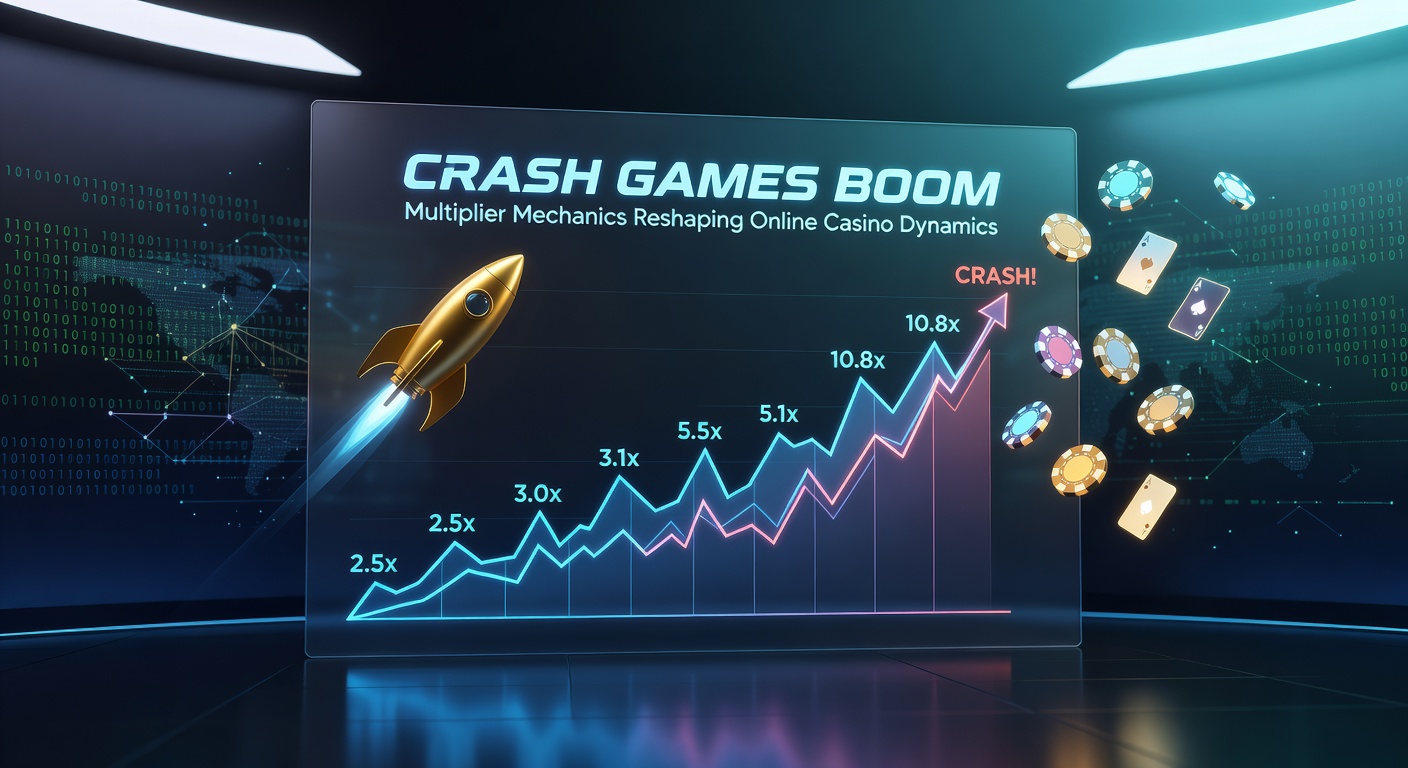
That's where the rubber meets teh road for casinos: data from H2 Gambling Capital's 2026 iGaming report shows crash games driving 25% of mobile session growth, as thumb-friendly taps suit on-the-go play; experts have observed retention rates climbing to 65% daily active users in crash-heavy lobbies, compared to 40% for slots alone, since the "one more round" loop hits harder with visible progress.
Market Explosion: Numbers Telling the Growth Story
By April 2026, the crash games segment has ballooned to a projected $2.5 billion globally, per figures from market analysts, with Asia-Pacific leading at 45% share due to mobile-first cultures, while North America trails but accelerates post-legalization waves; providers like Evolution and Pragmatic Play integrate crash titles into live dealer hybrids, blending streamer charisma with multiplier thrills, which has juiced gross gaming revenue by 18% year-over-year in partnered sites. And it's not just volume—average bet sizes edge up 15% because multipliers lure bigger risks, reshaping revenue models from flat-fee slots to high-volatility plays.
Take Stake.com's internal metrics, shared in industry panels: crash games captured 30% of their traffic within two years of launch, with peak hours seeing 50,000 concurrent players riding the same curve; researchers at the American Gaming Association highlight how U.S. states like New Jersey report crash bets surging 200% since 2024 approvals, crediting multipliers for drawing millennials who shun legacy table games.
Innovations from Providers: Pushing Multiplier Boundaries
Leading studios innovate relentlessly, with Smartsoft Gaming's JetX introducing multi-jet races where players pick vehicles to beat individual crashes, multipliers syncing across lanes for combo potential; meanwhile, BGaming's Lucky Jet adds jokers that freeze the curve briefly, letting stragglers cash higher, a tweak that data shows lifts RTP from 97% to perceived 99% in player minds. Observers note these evolutions keep games fresh, as burnout hits repetitive formats fast, and by April 2026, VR crash prototypes emerge, projecting multipliers into 3D spaces for immersive stakes.
So, platforms respond by bundling crash lobbies with tournaments—leaderboards tracking total multipliers cashed—drawing esports vibes to gambling; one study revealed tournament entries boosting deposits 35%, since competitive juices flow freer under multiplier pressure.
Regulatory Navigation: Balancing Boom with Safeguards
As crash games proliferate, regulators worldwide adapt; Malta's Gaming Authority mandates transparent RNG disclosures for multipliers, ensuring crash algorithms meet ISO 27001 standards, while Australia's ACMA flags high-speed play risks, capping bet rounds per minute in licensed ops. In Canada, provincial bodies like Ontario's AGCO enforce 30-second cooldowns between crashes to curb chase losses, data indicating a 22% drop in session overspend post-rules. Challenges persist, though—multipliers' allure sparks problem gambling flags, with EU studies linking them to faster escalations than slots, prompting mandatory reality checks mid-curve.
Yet, the framework stabilizes growth; New Jersey's Division of Gaming Enforcement reports crash titles now comprise 12% of audited GGR, with compliance tools like bet limits proving multipliers can thrive responsibly.
Challenges Amid the Hype: Volatility and Sustainability
High multipliers bring high variance, where house edges of 1-3% mask brutal dry spells—streaks of 1.2x crashes wipe banks fast, leading to 70% of players quitting after three losses, per session logs; platforms counter with bonuses tied to crash streaks, like free bets post-five sub-2x rounds, softening blows. It's noteworthy that while booms dazzle, sustainable play hinges on bankroll tools, auto-limits, and education, as evidenced by Swedish lotteriet data showing self-exclusion rates halving with integrated warnings.
Looking Ahead: Multipliers' Lasting Grip on Casino Futures
The trajectory points upward, with AI-driven multipliers personalizing crash points based on play history—subtle tweaks keeping edges fair yet engaging; hybrid metaverses loom, merging crash with NFTs for ownable multiplier skins, potentially unlocking $1 billion niches by 2028. Providers eye Latin America next, where mobile penetration hits 90%, fueling localized crashes with regional multipliers.
Conclusion
Crash games, propelled by multiplier mechanics, have indelibly altered online casino dynamics, spiking engagement, revenue, and innovation while prompting sharper regulations; as April 2026 data underscores their dominance, the sector evolves toward balanced, tech-infused thrills that keep players locked in, round after unpredictable round. The writing's on the wall: multipliers aren't fading—they're redefining the game.