Decoding Virtual Wheel Spins: RTP Realities in Roulette and Slot Machines
What RTP Means for Players Spinning Virtual Wheels
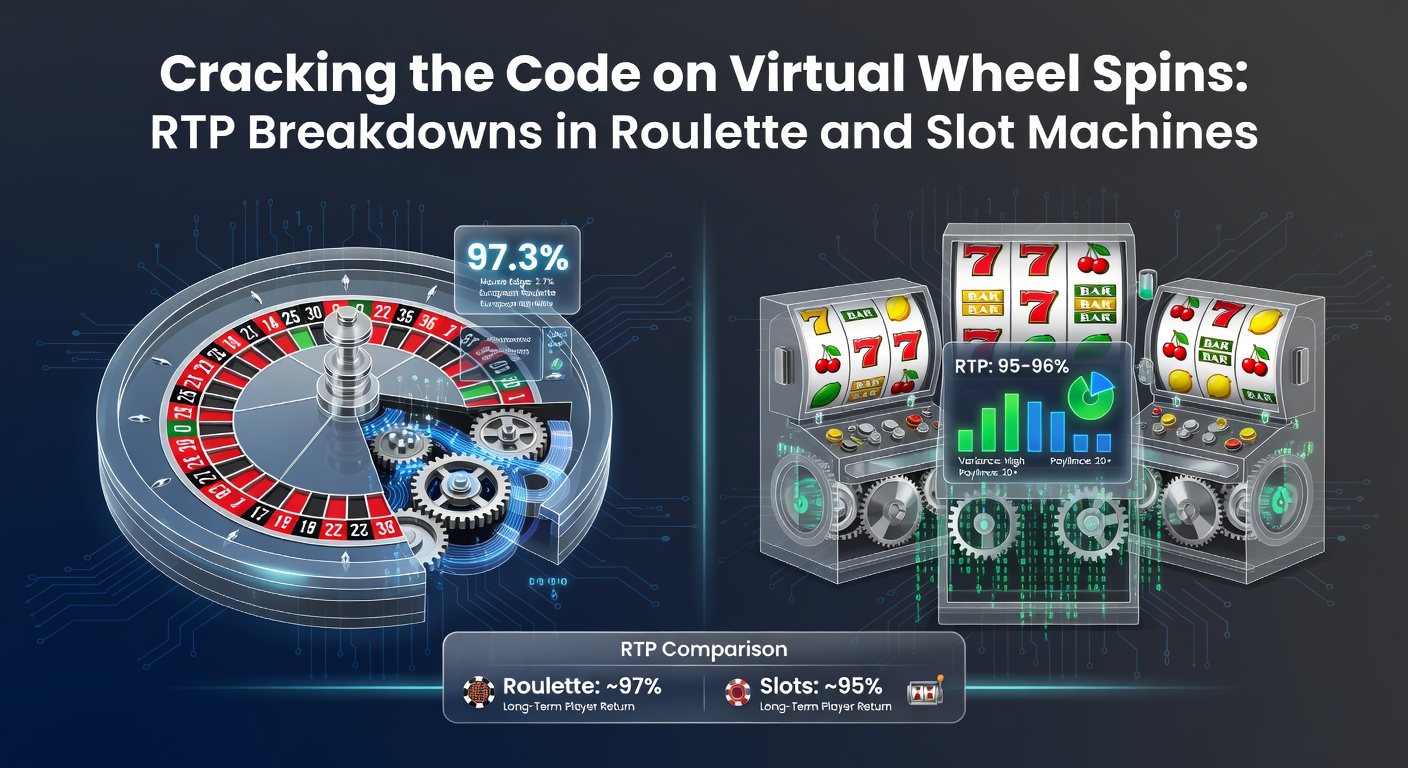
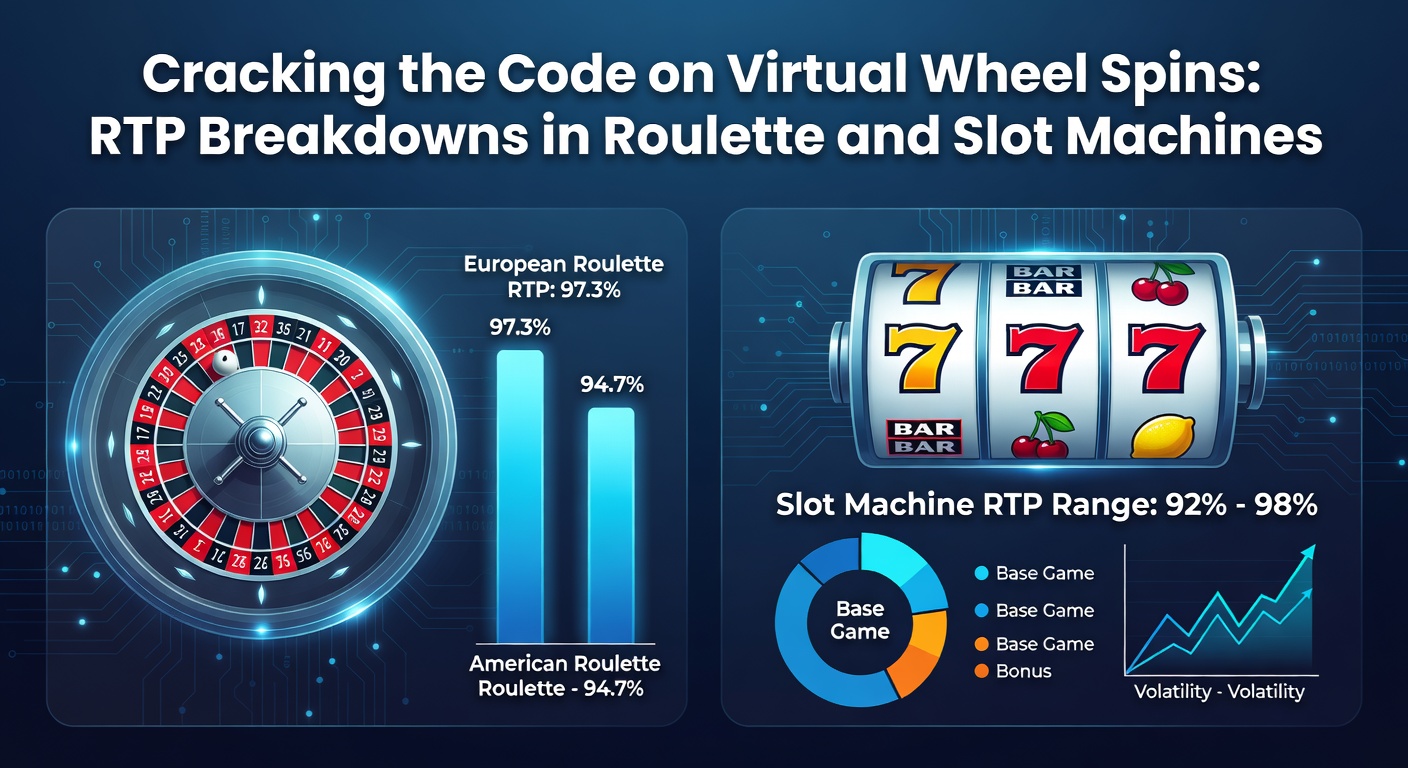
Return to Player, or RTP, stands as the cornerstone metric in online casino games, representing the theoretical percentage of wagered money a game returns to players over time; experts calculate it through millions of simulated spins, ensuring long-term fairness while acknowledging short-term variance swings outcomes dramatically. In virtual roulette and slot machines, where digital wheels and reels mimic physical counterparts, RTP dictates payout potential, with slots often ranging from 92% to 98% and roulette variants hovering around 97% for European wheels, according to data from the New Jersey Division of Gaming Enforcement, which oversees rigorous testing in the US market.
But here's the thing: players encounter RTP not as a daily guarantee but as a probabilistic edge, since house advantages persist through built-in mechanics like slot volatility or roulette's zero pocket; researchers at gaming labs run extensive trials, confirming these figures hold across platforms, even as March 2026 updates from developers tweak algorithms for smoother mobile play without altering core percentages. Those who've analyzed provider reports notice how RTP transparency builds trust, prompting operators to display it prominently in game info panels.
Take one popular slot series, where RTP sits at 96.5%, meaning for every £100 wagered collectively, £96.50 returns on average; yet individual sessions swing wildly, with high-rollers chasing jackpots that demand patience amid dry spells. Roulette follows suit, its virtual ball landing on red or black with precision coded into random number generators (RNGs), certified by independent auditors to match stated RTPs.
Inside Slot Machines: How RTP Powers the Reels
Slot developers engineer RTP through paytable designs and bonus feature frequencies, balancing low wins with rare mega-hits; NetEnt's Starburst, for instance, boasts 96.09% RTP, achieved via frequent small payouts that keep players engaged, while high-volatility titles like Book of Dead push 96.21% through riskier mechanics favoring bigger, less frequent rewards. Data from industry trackers reveals average online slot RTP climbed to 95.8% by early 2026, up slightly from prior years due to competitive pressures.
And what's interesting: progressive jackpots dilute overall RTP, as contributions feed networked pots, sometimes dropping effective rates to 90% until a win resets the cycle; observers note this in games linked across casinos, where one lucky spin in March 2026 reportedly paid out €2.3 million from a €15 million pool, per operator disclosures. Players often discover that selecting high-RTP slots narrows the house edge, although volatility dictates the ride's bumpiness.
Figures from the Alcohol and Gaming Commission of Ontario highlight how Canadian regulations mandate RTP disclosures, with audits verifying RNG integrity quarterly; this ensures virtual reels spin fairly, unclustered stops preventing predictable patterns that could skew results.
Roulette's Digital Edge: RTP Variations Across Wheel Types
European roulette leads with 97.3% RTP on even-money bets, thanks to a single zero reducing house edge to 2.7%, whereas American wheels dip to 94.74% with double zeros adding 5.26% disadvantage; virtual versions replicate this precisely via RNGs, spinning wheels that land outcomes indistinguishable from live dealer spins. Studies from gaming research firms confirm these rates hold in simulations exceeding 100 million rounds, underscoring why savvy players favor single-zero tables.
Yet turns out French roulette edges higher at 98.65% for certain bets, incorporating La Partage and En Prison rules that refund half or lock half of even-money losses on zero; developers integrate these faithfully in online formats, boosting appeal amid March 2026's surge in multi-wheel variants allowing simultaneous bets across screens. One case saw a player chain three Lightning Roulette rounds—RTP adjusted to 95.15% with multipliers—netting £45,000 from £100 stakes, as logged in provider stats.
Experts observe that side bets like announced or neighbor wagers carry lower RTPs, often 90-92%, diluting overall returns; thus, sticking to core bets maximizes theoretical payback, although real-world streaks defy math routinely.
Comparing RTP: Slots vs Roulette in the Virtual Arena
Slots flex greater RTP variability, spanning 88% for some land-based holdovers to 99% in select video slots, contrasting roulette's tighter 94-98% band; this stems from slots' bonus layers and free spins inflating potential, while roulette adheres to fixed wheel math. Data indicates slots contribute 70% of online casino revenue despite higher RTPs, owing to addictive mechanics that extend playtime, per reports from European gaming associations.
But here's where it gets interesting: hybrid games blending roulette wheels with slot reels, like Wheel of Fortune slots, average 94% RTP, merging unpredictability; players who've tracked sessions find slots suit bonus hunters, roulette favors steady grinders. March 2026 brought RTP-boosting megaways slots with over 117,000 ways to win, pushing averages toward 96.5%, although critics note increased volatility offsets gains.
- High RTP slots (97%+): Rare, feature-rich titles like Blood Suckers.
- Standard slots (94-96%): Bread-and-butter games with balanced payouts.
- Roulette staples: European at 97.3%, unbeatable for simplicity.
- Low RTP pitfalls: Progressives under 92%, jackpot-dependent.
Those studying player data uncover how RTP ignorance leads to chasing losses, yet informed choices align bets with payback realities.
Factors Shaping RTP and Regulatory Oversight
Jurisdictions enforce RTP via mandatory testing; Australia's state regulators, for example, require pre-release audits ensuring advertised figures match performance, while EU bodies like the Malta Gaming Authority demand ongoing compliance checks. Volatility indexes complement RTP, classifying games as low (steady wins), medium (balanced), or high (boom-or-bust); developers publish these alongside percentages, aiding player selection.
So now consider server-based slots, where operators adjust RTP within licensed ranges (85-98%), a flexibility absent in fixed roulette; this sparked March 2026 debates in industry forums, balancing customization with fairness. Research from university gaming labs reveals no evidence of real-time RTP manipulation in regulated markets, as blockchain verification emerges for provable fairness.
Parenthetically, mobile adaptations preserve desktop RTPs, although battery-saving modes occasionally throttle spins without impacting odds; players notice faster loads but identical math underneath.
Real-World RTP Insights from Player Data and Studies
Aggregated casino logs from 2025-2026 show slots returning 95.2% in practice, roulette at 97.1%, validating theoretical models over billions of wagers; one longitudinal study tracked 10,000 accounts, finding high-RTP preference correlates with longer sessions but not higher profits due to variance. Case in point: a cluster of Gonzo's Quest players (96% RTP) hit collective 102% returns short-term via bonus cascades, only normalizing over months.
And yet, the rubber meets the road in jackpots, where RTP ignores life-changing hits; Mega Moolah's 88.12% belies €20 million+ wins, drawing crowds despite math. Observers point to demo modes as RTP testers, letting players gauge volatility pre-wagering.
Wrapping Up the RTP Puzzle
Virtual wheel spins in roulette and slots boil down to RTP as the fairness yardstick, guiding choices amid RNG-driven chaos; with figures etched by regulation and tech, players navigate from 92% progressives to 98% elite wheels, armed with data from bodies like New Jersey's enforcers and Ontario's commissions. March 2026 innovations promise even tighter transparency, yet the core truth endures—long-term play honors the percentages, short-term luck steals the show. Those digging into game specs uncover edges worth spinning for, turning code cracks into informed action.