Designing User Journeys: The Impact of Visual and Structural Elements on Navigation in Online Gambling Sites
Bianca Vogel · Aug 25, 2026
Designing User Journeys: The Impact of Visual and Structural Elements on Navigation in Online Gambling Sites
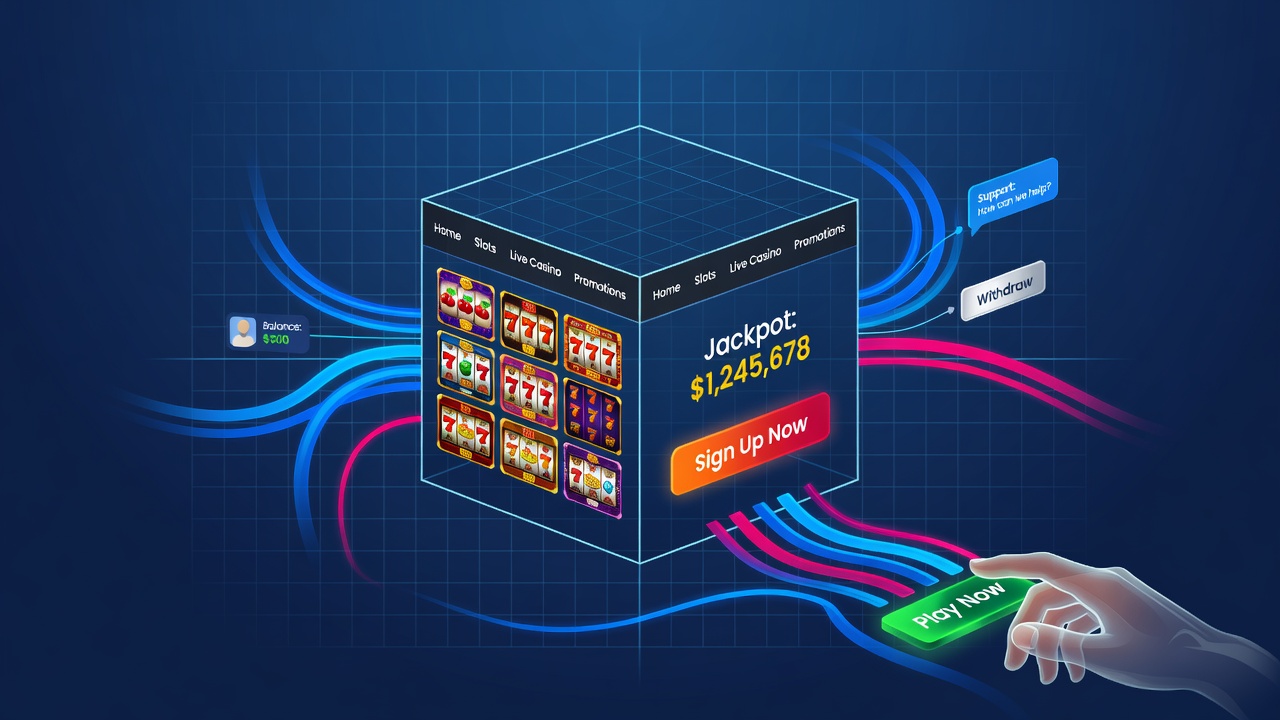
Online gambling portals rely on specific web design elements to shape how users move through game libraries, account sections, and promotional areas, and researchers have documented consistent patterns in how layout choices influence these paths. Data from industry reports show that navigation structures such as top-level menus combined with sidebar filters reduce the number of clicks needed to reach specific titles, while color-coded buttons and card-based grids help players scan options without overload. Studies from the American Gaming Association indicate that portals incorporating responsive grids maintain higher retention rates across desktop and mobile sessions because the same visual hierarchy scales without breaking links or hiding categories.
Core Layout Components That Guide Movement
Navigation bars positioned at the top or left side of screens serve as primary pathways, and experts note that fixed headers keep key links like lobby, cashier, and support visible even as content scrolls. Game category cards arranged in responsive rows allow users to select slots, table games, or live dealer sections through direct taps rather than dropdown lists, and this approach aligns with findings from usability tests conducted by academic teams at institutions studying human-computer interaction. Search bars with auto-suggest features further streamline access because they connect typed keywords to filtered results in real time, cutting down on manual browsing steps that otherwise lead to higher exit rates.
Observers have recorded that portals using consistent iconography for actions such as deposit, withdraw, and favorites maintain clearer mental maps for returning visitors, whereas inconsistent placement of these elements forces repeated scanning. Footer links typically cover legal notices, responsible gaming resources, and site maps, yet their effectiveness depends on whether the main navigation already covers core functions without requiring users to scroll to the bottom.
Visual Cues and Interactive Elements
Color contrast between active and inactive states directs attention toward available games and buttons, and data from Canadian regulatory analyses reveal that high-contrast CTAs correlate with increased session depth in multi-category sites. Hover states and micro-animations provide immediate feedback on clickable areas, which helps users confirm their selections before committing to a new page load. Researchers have observed that loading indicators placed within game thumbnails prevent users from clicking the same item multiple times while content renders, maintaining smoother flow through the interface.
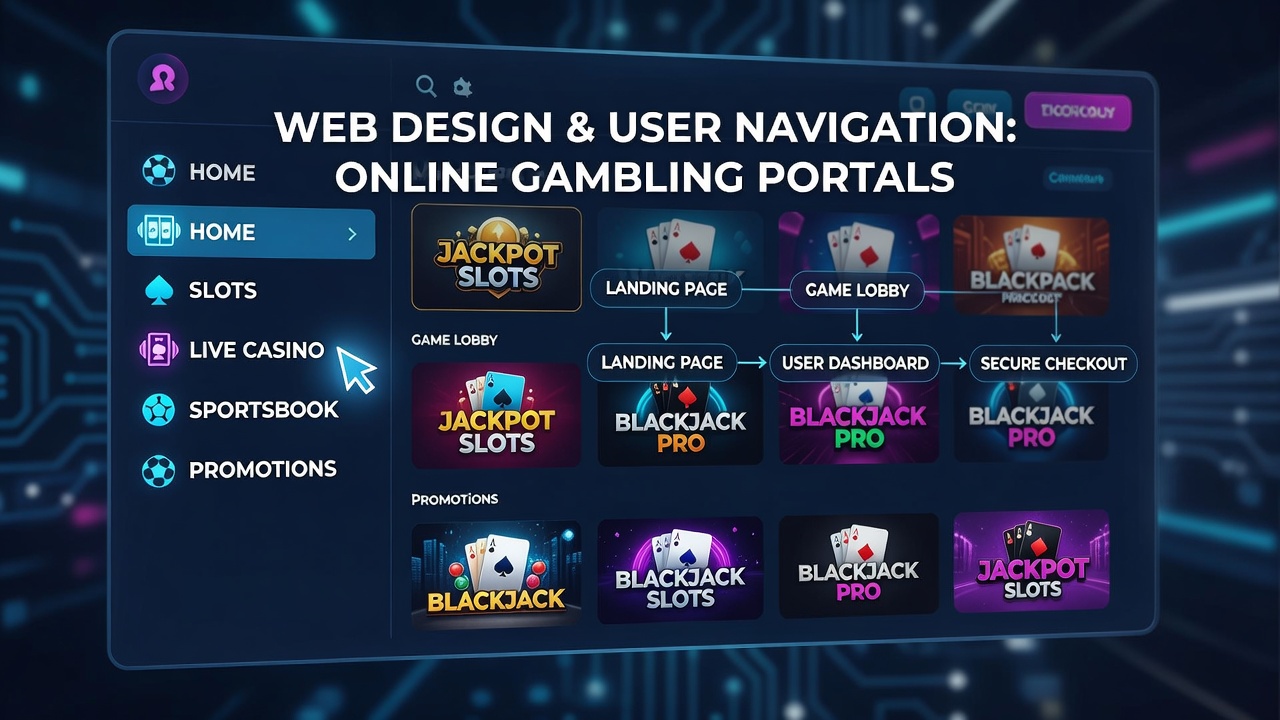
Filters for volatility, RTP ranges, and provider names sit alongside category headers in many current designs, and these tools let players narrow results without leaving the main lobby view. Portals that embed these controls directly in the grid layout rather than in separate modal windows keep the navigation path linear, and this configuration appears more frequently in sites updated after 2024 platform overhauls.
Mobile Responsiveness and Cross-Device Patterns
Touch-friendly spacing between menu items becomes essential once screen widths drop below 768 pixels, and reports compiled by the European Betting and Gaming Association document how hamburger menus paired with bottom navigation bars preserve access to core sections during one-handed use. Swipe gestures for carousel promotions replace click-based arrows on smaller devices, yet the underlying category structure remains identical to desktop versions to avoid disorientation when users switch platforms mid-session. Accessibility features such as keyboard focus indicators and screen-reader labels on navigation links extend these pathways to additional user groups, and compliance data from Australian state gaming authorities show measurable improvements in task completion times when these elements receive priority during redesign cycles.
Search and Filtering Systems in Practice
Advanced search implementations that combine text input with tag-based refinement allow simultaneous narrowing by theme, jackpot size, and release date, and portal analytics shared in trade publications indicate these layered systems shorten the average time from landing page to game launch. Predictive text suggestions draw from popular queries logged across user bases, which reduces spelling errors that otherwise interrupt navigation. Those who have examined session recordings note that portals displaying live result counts next to each filter option help users adjust criteria before committing to a narrower view, preserving momentum through the discovery process.
Conclusion
Web design elements and navigation structures in online gambling portals function as interconnected systems where menu placement, visual hierarchy, responsive behavior, and filtering tools collectively determine how efficiently users locate and engage with content. Ongoing platform updates continue to refine these components based on aggregated usage metrics from regulatory bodies across multiple jurisdictions, and the resulting interfaces demonstrate measurable differences in path efficiency compared with earlier static layouts.