RTP Breakdown: Payout Percentages Powering Profits in Digital Slots and Table Games
Decoding RTP: The Core Mechanic Behind Every Spin and Deal
Return to Player, or RTP, stands as the mathematical backbone of digital casino games, representing the percentage of wagered money that games return to players over time; experts define it precisely as a long-term average payout ratio, calculated through millions of simulated spins or hands, and operators embed it directly into game algorithms to ensure fairness while maintaining house edges. Data from industry audits reveals that RTP figures typically range from 85% to 99%, but here's the thing: those numbers don't promise short-term wins, since variance and randomness dictate individual sessions, yet they power the entire ecosystem by balancing player retention with casino profitability. And while slots dominate conversations around RTP, table games like blackjack and baccarat follow similar principles, albeit with strategic layers that shift effective returns.
Researchers who analyze game math note how developers like NetEnt and Microgaming publish RTP data upfront, often listing it in game info panels or paytables, so players can compare options before wagering; turns out, this transparency stems from regulatory mandates that kicked in across multiple jurisdictions over the past decade, fostering trust in an industry once shrouded in skepticism. What's interesting is how RTP evolves: as of March 2026, recent software updates in popular titles have nudged averages upward by 0.5-1%, according to developer release notes, reflecting competition for player dollars in a crowded digital market.
Slots Under the Microscope: Where RTP Meets High Volatility
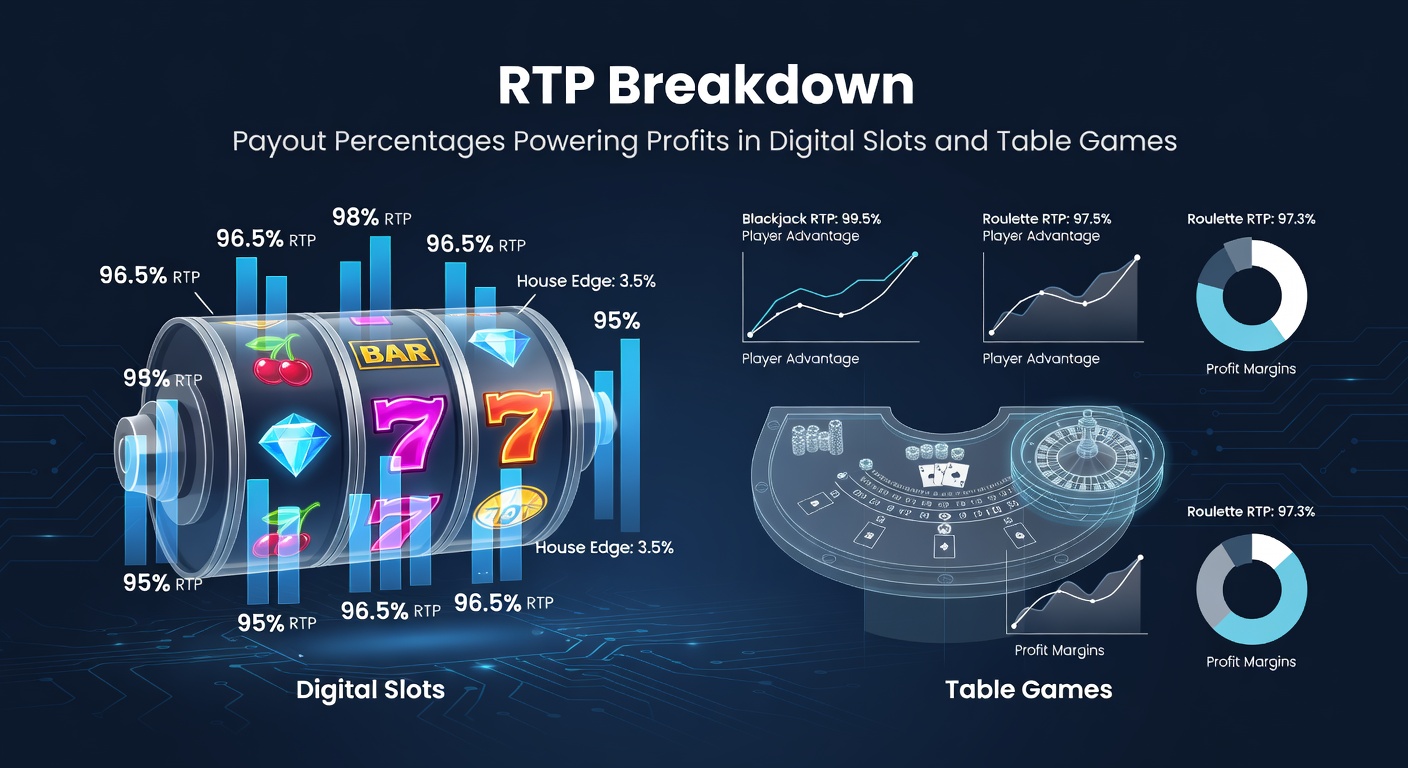
Digital slots showcase RTP most vividly, with reels powered by random number generators churning out outcomes where a 96% RTP means the game theoretically returns £96 for every £100 wagered over extended play; but observers point out that volatility adds the thrill, as low-volatility slots pay smaller, frequent wins to mirror that percentage closely, whereas high-volatility beasts like Book of Dead deliver rare mega-hits that align payouts over thousands of spins. Studies from gaming labs, including those commissioned by the Malta Gaming Authority, confirm these figures through independent testing, ensuring algorithms hold true under scrutiny.
- Classic three-reel slots often hover around 94-96% RTP, favoring steady playstyles.
- Video slots with bonus features push toward 97-98%, incorporating free spins and multipliers that boost long-term returns.
- Megaways mechanics, popularized since 2016, average 96.5%, but cascading reels and unlimited win multipliers introduce wild swings.
Take one popular title, Gonzo's Quest, where data indicates a 95.97% RTP; players who've logged sessions report how avalanche features keep engagement high, even as dry spells test patience, and that's where the rubber meets the road for profitability—casinos thrive on the 4% house edge spread across millions of plays. Yet progressive jackpots complicate things: their RTP dips below 90% until pots grow massive, then surges as contributions funnel back, creating those life-changing moments that headlines love.
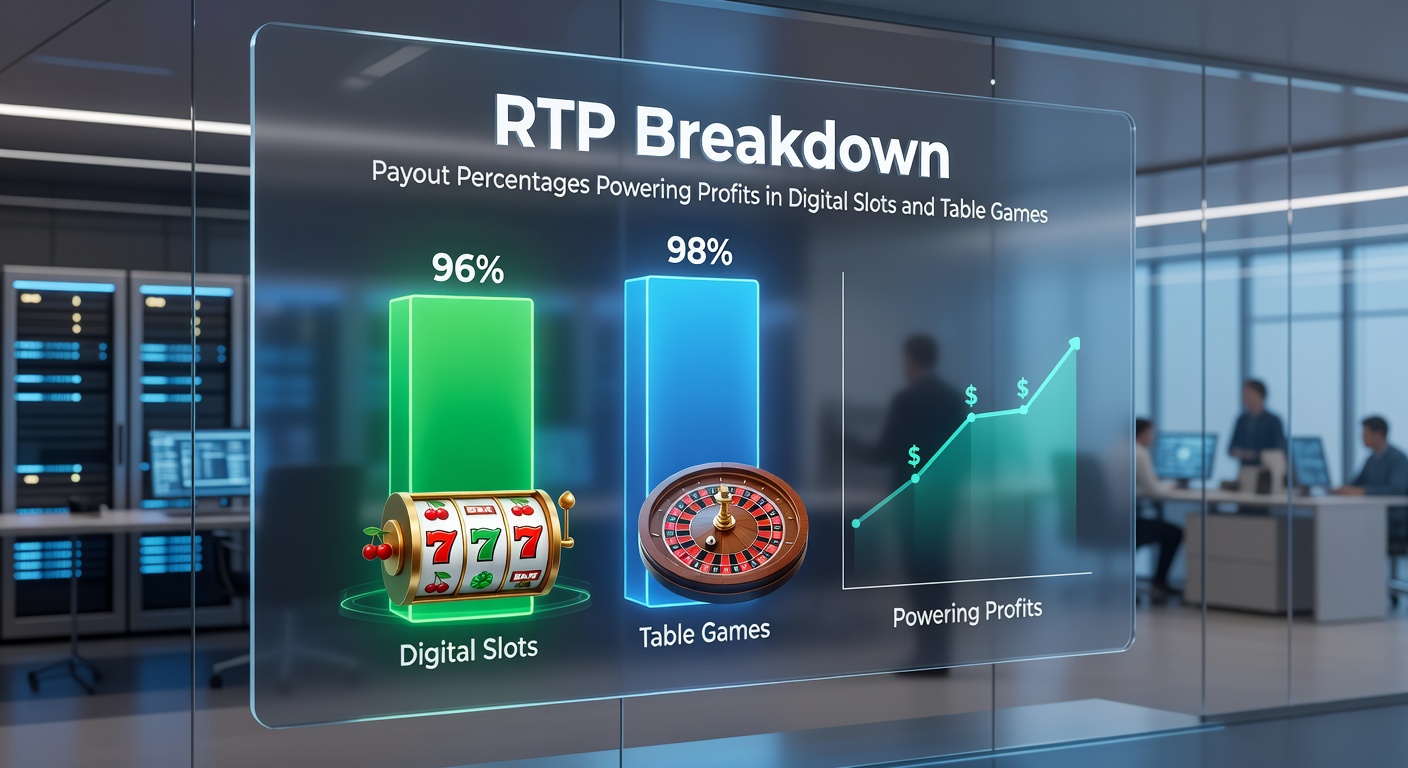
Table Games RTP: Strategy Sharpens the Edge
Unlike slots' pure chance, table games layer RTP with player decisions, so blackjack boasts base RTPs of 99.5% under perfect basic strategy—yet that drops to 98% or lower if choices falter; baccarat holds steady at 98.94% on banker bets, while roulette's European wheel delivers 97.3% thanks to a single zero, and American variants lag at 94.74% with double zeros eating into returns. Experts who've dissected thousands of hands emphasize how side bets sabotage these figures, slashing RTP to 90% or worse, but core plays keep mathematics in players' favor over volume.
And in digital formats, RNGs replicate live dealer precision, with provably fair tech allowing verification of each shuffle; poker variants like Caribbean Stud maintain 97.8% RTP on optimal raises, but video poker edges higher, hitting 99.54% on full-pay Jacks or Better machines—provided players master charts. What's significant is the shift in March 2026 updates: live dealer streams now display real-time RTP trackers for sessions, per reports from streaming providers, helping observers gauge short-term deviations from theoretical norms.
Live Dealer Dynamics: Bridging Digital and Real RTP
Live table games stream RTP from physical wheels and decks, where optical character recognition software tracks outcomes to confirm long-term alignment; data shows these hybrid experiences match studio RNGs closely, with blackjack tables averaging 99.2% under count-free rules, although infinite blackjack tweaks RTP slightly via unlimited seating. Those who've studied broadcast logs note minimal variances, since human dealers introduce negligible biases detectable only in ultra-large samples.
Factors That Shape and Shift RTP Landscapes
Game providers tweak RTP via configurable settings, allowing operators to select from ranges like 94-98% for the same slot— a practice Nevada Gaming Control Board regulators monitor rigorously in licensed markets; jurisdiction matters too, as EU servers often default higher than Asian counterparts, and mobile optimizations preserve figures despite smaller screens. Volatility pairs with RTP like yin and yang: high RTP low-vol slots suit grinders, while the inverse fuels adrenaline junkies chasing jackpots.
But here's where it gets interesting—promotions inflate effective RTP temporarily, with free spins or cashback pushing perceived returns past 100% short-term, although base game math remains unchanged; network progressives pool contributions across sites, stabilizing RTP at 88-92% until triggers, and that's the engine driving industry profits, as aggregated data from American Gaming Association reports underscores billions in sustained revenue. Seasonal events in March 2026, like St. Patrick's slots with boosted RTP variants, highlight how developers experiment, blending math with marketing.
- Software RNG certification by labs like iTech Labs verifies RTP integrity.
- Operator jurisdiction dictates minimums: 90% floors common globally.
- Player habits influence realized RTP, as quitting ahead preserves edges.
Navigating RTP for Smarter Play: Tools and Realities
Players spot high RTP via aggregator sites listing verified figures, or in-game help sections mandated by bodies like the Alcohol and Gaming Commission of Ontario; tools like slot trackers log sessions to validate published rates, revealing how one study of 10,000 spins on Starburst confirmed its 96.09% claim within 0.2% margins. Case in point: a group of researchers tracked blackjack across platforms, finding strategy apps lifted average RTP from 98% to 99.4%, proving knowledge compounds math.
So myths persist—RTP doesn't "reset" daily, nor do casinos adjust it mid-session, as tamper-proof servers prevent that; instead, heat maps from analytics firms show peak hours unchanged, and progressive contributions visibly tick up pots. Observers note how branded slots, tied to movies, sometimes sacrifice RTP for visuals, dipping to 94%, but fan loyalty offsets it.
Global Benchmarks and March 2026 Snapshots
Australian reports peg average slot RTP at 90-92% under strict state regulations, while Canadian provinces mandate 85% audits; as March 2026 unfolds, EU developers roll out AI-optimized RTP for adaptive volatility, per trade publications, keeping digital tables competitive.
Conclusion: RTP as the Unseen Force in Casino Economics
RTP threads through every digital slot cascade and table game deal, dictating sustainable profits while offering players a measurable fairness gauge; data consistently shows high-RTP titles dominate lobbies, driving engagement as operators balance edges around 2-10%, and with March 2026 innovations like dynamic RTP previews, the metric grows ever more player-centric. Those who grasp its nuances—volatility pairings, strategic uplifts, regulatory anchors—navigate the landscape sharper, turning abstract percentages into practical edges; ultimately, it powers the profits, one verified spin at a time.