Slots' Hidden Numbers: Unpacking RTP Rates in Popular Internet Games
Decoding RTP: The Core Metric Behind Slot Payouts
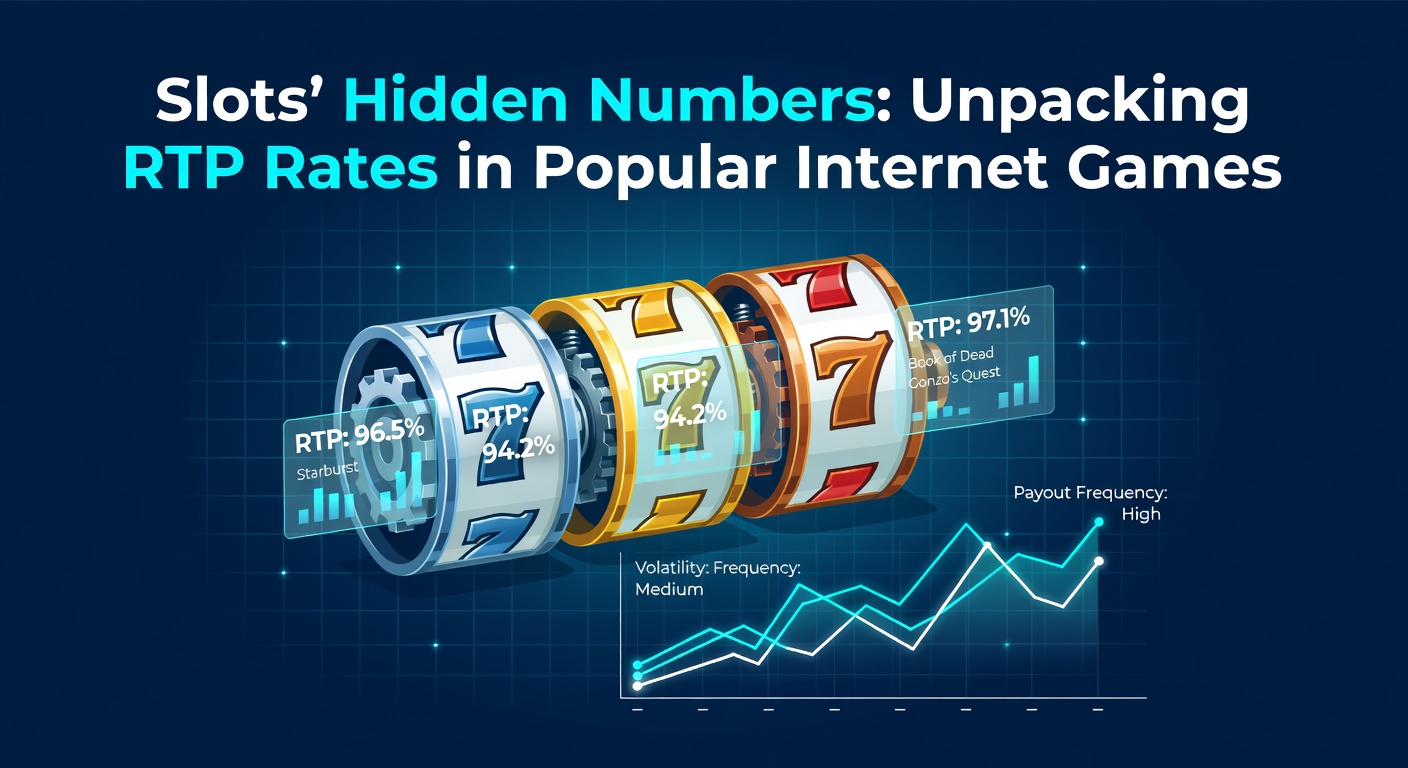
Return to Player, or RTP, stands as the key figure that players encounter when diving into online slots, representing the theoretical percentage of wagered money a game returns to players over millions of spins; figures typically range from 92% to 98%, meaning a 96% RTP slot theoretically pays back $96 for every $100 bet in the long run, although short-term results swing wildly due to randomness. Developers certify these rates through independent testing, ensuring fairness across platforms, and regulators in places like Malta and New Jersey mandate their publication for transparency. What's interesting is how RTP separates from house edge, since the casino's advantage equals 100% minus the RTP, so a 94% RTP leaves a 6% edge that funds operations over time.
And while many assume higher RTP always means better odds, experts clarify that volatility plays a huge role too, with low-volatility games offering frequent small wins aligned to steadier RTP delivery, whereas high-volatility ones chase massive payouts but test patience along the way. Data from industry audits, such as those by eCOGRA, consistently verifies these numbers hold up under real-world play, building trust in a sector where skepticism runs high.
The Inner Workings of RTP in Digital Slot Machines
Software algorithms, powered by Random Number Generators (RNGs), drive every spin in online slots, determining outcomes independently so past results never influence future ones; RTP emerges from mathematical models baked into the game's code, simulating billions of spins to hit that target percentage. Providers like NetEnt or Pragmatic Play design paytables and bonus features to balance this, where free spins or multipliers contribute disproportionately to the overall return, often pushing RTP above base game levels during promotions.
Turns out, progressive jackpots complicate things further, since a portion of bets feeds the growing prize pool, temporarily lowering the displayed RTP until it resets after a win, a mechanic clearly noted in game info panels. Observers who've pored over casino reports notice how demo versions mirror full RTP exactly, allowing players to test mechanics without risk, and that's where the rubber meets the road for informed choices.
Spotlight on RTP in Fan-Favorite Online Slots
Take Starburst from NetEnt, a staple since 2012 boasting 96.09% RTP across its gem-themed reels, where expanding wilds and both-ways pays keep action lively; or Gonzo's Quest, hitting 95.97% with avalanche mechanics that cascade wins and ramp up multipliers, drawing players who favor adventure over simplicity. Book of Dead by Play'n GO edges higher at 96.21%, its expanding symbols in free spins creating those heart-pounding moments, while Mega Moolah from Microgaming dips to 88.12% base but skyrockets potential through its progressive network, which has minted millionaires repeatedly.

But here's the thing: newer releases like Pragmatic Play's Gates of Olympus push 96.50% RTP with tumbling reels and multipliers up to 500x, blending Greek mythology with high volatility that suits thrill-seekers, and data from platforms in 2026 shows these titles dominating leaderboards. One study from the New Jersey Division of Gaming Enforcement analyzed thousands of sessions, revealing average RTP alignment within 0.5% of advertised rates across licensed sites. People often discover hidden gems too, like Big Bass Bonanza at 96.71%, where fishing-themed bonuses hook steady returns amid variable swings.
Yet slots from smaller studios, such as Nolimit City's San Quentin at 96.03%, incorporate unique features like xWays and xNudge for explosive potential, proving RTP consistency spans big and boutique developers alike.
Factors That Shape and Shift RTP Values
Jurisdictional rules tweak RTP sometimes, with European markets favoring 95%+ while others allow lower for progressives; game providers release variants too, like U.S.-facing versions of Gonzo's Quest at 96% versus global editions slightly higher, adapting to local regs without altering core math. Volatility ties in tightly, since low-RTP high-volatility beasts promise life-changing jackpots, balancing the scales for operators chasing big draws.
Bonus buy features, now common since 2020, let players pay upfront for instant access, often boosting effective RTP through concentrated play, and that's noteworthy because it empowers strategy in games like Money Train 2 at 96.40%. As of March 2026, auditors report rising RTP averages to 96.5% industry-wide, driven by competition and player demand for transparency, with blockchain provably fair tech emerging in crypto casinos to verify spins on-chain.
Regulations Ensuring RTP Integrity Worldwide
Bodies like the Malta Gaming Authority enforce rigorous RNG testing before certification, mandating RTP disclosure in game rules and auditing operators quarterly to catch discrepancies; meanwhile, Australia's state regulators, through bodies overseeing interactive gambling, cross-check figures against play data, fining non-compliant sites swiftly. Industry groups such as the Interactive Gaming Council push global standards, where members commit to third-party verification, fostering a landscape where players spot certified RTP badges as reliability markers.
Researchers who've dissected payout reports find deviations rare under scrutiny, usually stemming from misconfigurations quickly rectified, and that's where compliance shines, protecting bettors from the Wild West days of unregulated play.
Navigating RTP for Smarter Slot Sessions
Players who prioritize 96%+ RTP games stretch bankrolls further, pairing that with low-volatility picks for endurance or high-vol ones for jackpot hunts, since math favors long-term alignment over session luck. Tools like casino comparison sites list RTPs side-by-side, helping spot value across providers, and seasoned observers recommend checking variance ratings too, as they predict win frequency beneath the headline number.
So demo modes serve as practice grounds, revealing bonus hit rates firsthand, while promotions like cashback effectively lift net RTP during play; one case saw a player logging 10,000 spins on a 96.5% title, netting results within 1% of theory, underscoring the power of volume. It's not rocket science, but blending RTP awareness with session limits keeps things sustainable amid the spins' chaos.
Conclusion
RTP remains the unflashy yet essential number unpacking online slots' fairness, guiding choices from Starburst's reliable glow to Mega Moolah's jackpot allure, with regulations and tech ensuring numbers deliver as promised. As March 2026 trends show RTP climbing amid fiercer competition, those tuned into these hidden metrics position themselves best, turning abstract percentages into tangible edges over endless reels. The writing's on the wall: informed players thrive where randomness rules, and that's the real payout story.