The Quiet Mechanics of Loyalty Programs Fueling Repeat Visits Across Digital Blackjack and Roulette Platforms
David Lorenz · May 19, 2026
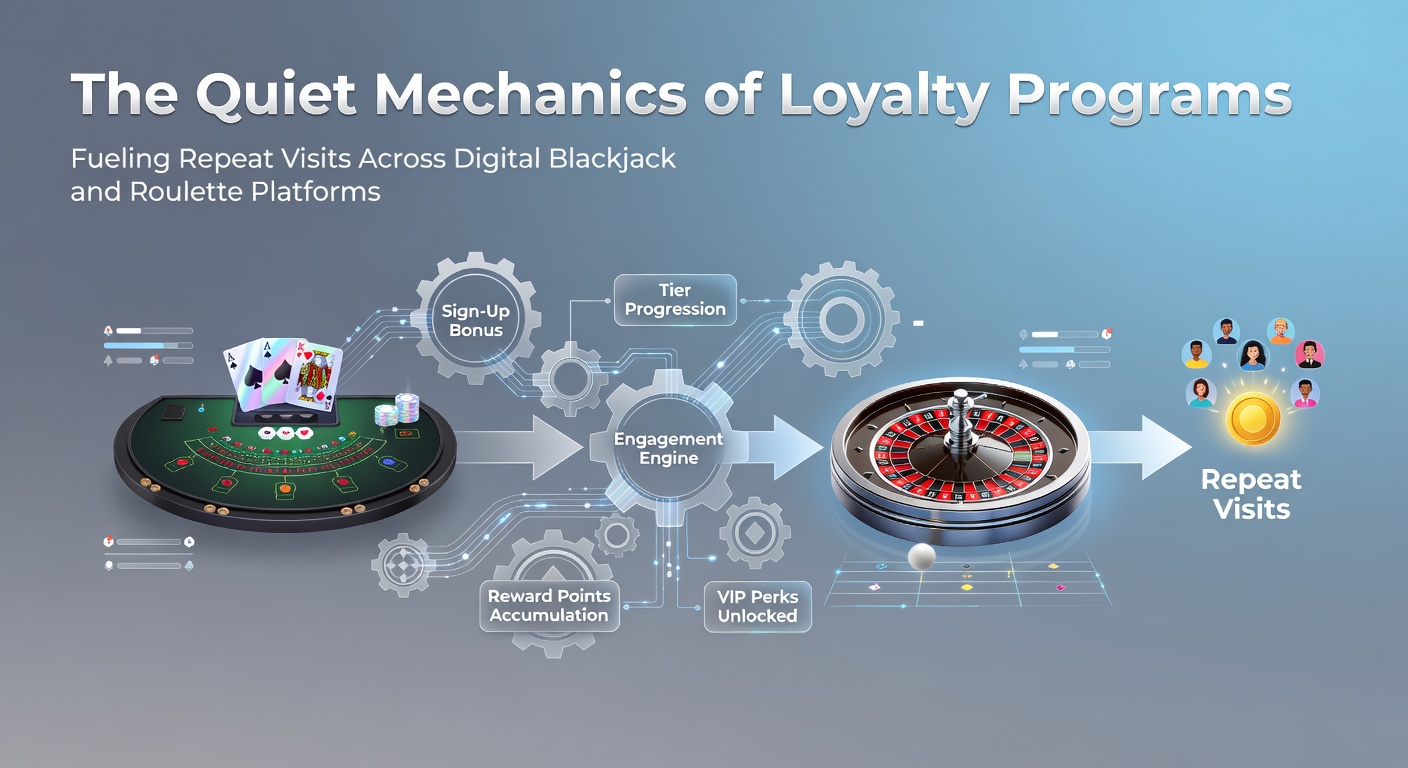
The Quiet Mechanics of Loyalty Programs Fueling Repeat Visits Across Digital Blackjack and Roulette Platforms
Digital platforms for blackjack and roulette have refined loyalty programs into systems that track every wager, convert activity into redeemable value, and encourage players to return at consistent intervals rather than for isolated sessions. These programs operate through layered point accrual, tier progression, and personalized incentives that align directly with the pace of card and wheel games.
Operators assign points based on wager volume, with blackjack hands and roulette spins generating credits at rates tied to house edge and bet size. A player placing consistent $10 wagers across multiple rounds accumulates points faster than sporadic high-stakes sessions, which creates an incentive for regular logins. Data from platform analytics shows that users who engage with these systems log in 2.3 times more frequently over a six-month period compared with non-members.
Point Systems and Real-Time Tracking
Modern loyalty engines update balances after each completed round, displaying progress through in-game notifications that appear between hands or spins. This immediate feedback loop keeps the mechanics visible without interrupting flow. Players receive tier credits for consecutive days of activity, and those who maintain streaks unlock multipliers on future point earnings. Research from the European Gaming and Betting Association indicates that streak-based rewards increase session frequency by prompting shorter but more regular visits instead of extended single sittings.
Blackjack variants with side bets and roulette tables with multiple wheel configurations often carry bonus point rates during promotional windows. These windows rotate monthly, giving players reasons to explore different game types within the same platform. The structure rewards exploration while keeping core mechanics simple enough that casual participants understand their progress without studying complex charts.
Tier Structures and Retention Thresholds
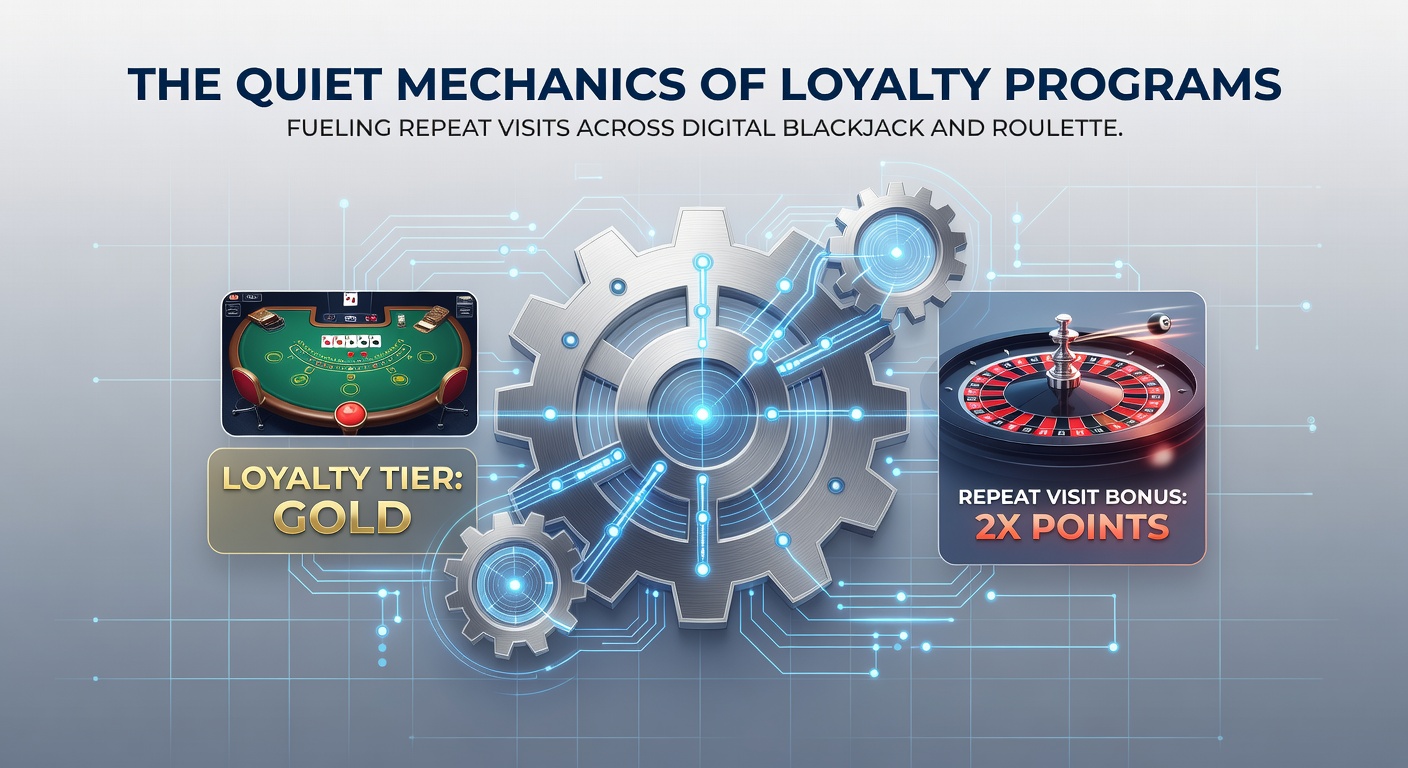
Loyalty programs divide users into tiers that unlock escalating benefits once cumulative points reach defined thresholds. Entry-level tiers offer cashback percentages on net losses, while mid-tier status adds free bet credits and faster withdrawal processing. Top tiers include dedicated account managers and invitations to exclusive tournament events limited to loyalty members. Observers note that platforms adjust these thresholds seasonally, with May 2026 updates expected to introduce hybrid tiers that combine online activity with occasional live casino visits where permitted by regulation.
The progression model discourages migration to competing sites because accumulated status rarely transfers. Players who reach higher tiers after several months of steady play face a reset cost if they switch platforms, which reinforces repeat visits to the original environment. Industry figures reveal that retention among top-tier members exceeds 78 percent year-over-year when compared with base-level accounts.
Redeemable Rewards Tailored to Game Preferences
Rewards catalogs emphasize items that complement blackjack and roulette play, such as bonus funds valid only on table games or free spins that convert into roulette credits. Redemption occurs through account dashboards where players select options that match their typical wager patterns. Those who favor even-money roulette bets often choose cashback options, whereas blackjack players lean toward free bet vouchers that extend playtime without additional deposits.
Personalization algorithms review historical game data to surface relevant offers, reducing the chance that a reward goes unused. When a player frequently joins European roulette tables, the system surfaces multipliers applicable to that variant rather than unrelated slot promotions. This targeted delivery maintains engagement because the incentive feels connected to established habits.
Cross-Platform Integration and Mobile Continuity
Many programs synchronize across desktop and mobile applications so progress continues uninterrupted when users switch devices mid-session. A roulette session started on a phone during a commute can carry over to a desktop browser at home, with points updating in real time. Mobile push notifications alert members to limited-time tier challenges that require only a set number of additional hands or spins, turning brief idle moments into productive activity that advances status.
Platforms also integrate loyalty mechanics with tournament entry systems, granting automatic qualification to members who maintain minimum monthly point totals. These tournaments often feature blackjack and roulette formats with enhanced payouts funded partly through operator contributions rather than player entry fees. Participation data shows that members who join at least one loyalty-linked event per quarter return for regular play at higher rates than those who skip events.
Conclusion
Loyalty programs in digital blackjack and roulette environments rely on continuous tracking, visible progress markers, and tiered incentives that reward consistency over intensity. The mechanics function quietly in the background while shaping visit patterns through point multipliers, redeemable credits, and status benefits that increase in value with sustained activity. As platforms refine these systems with seasonal adjustments and device continuity features, the underlying structure continues to support repeat engagement across both game types without requiring explicit player effort beyond regular participation.