Visual and Auditory Strategies Behind Engaging Slot and Bingo Game Designs
David Lorenz · May 28, 2026
Visual and Auditory Strategies Behind Engaging Slot and Bingo Game Designs
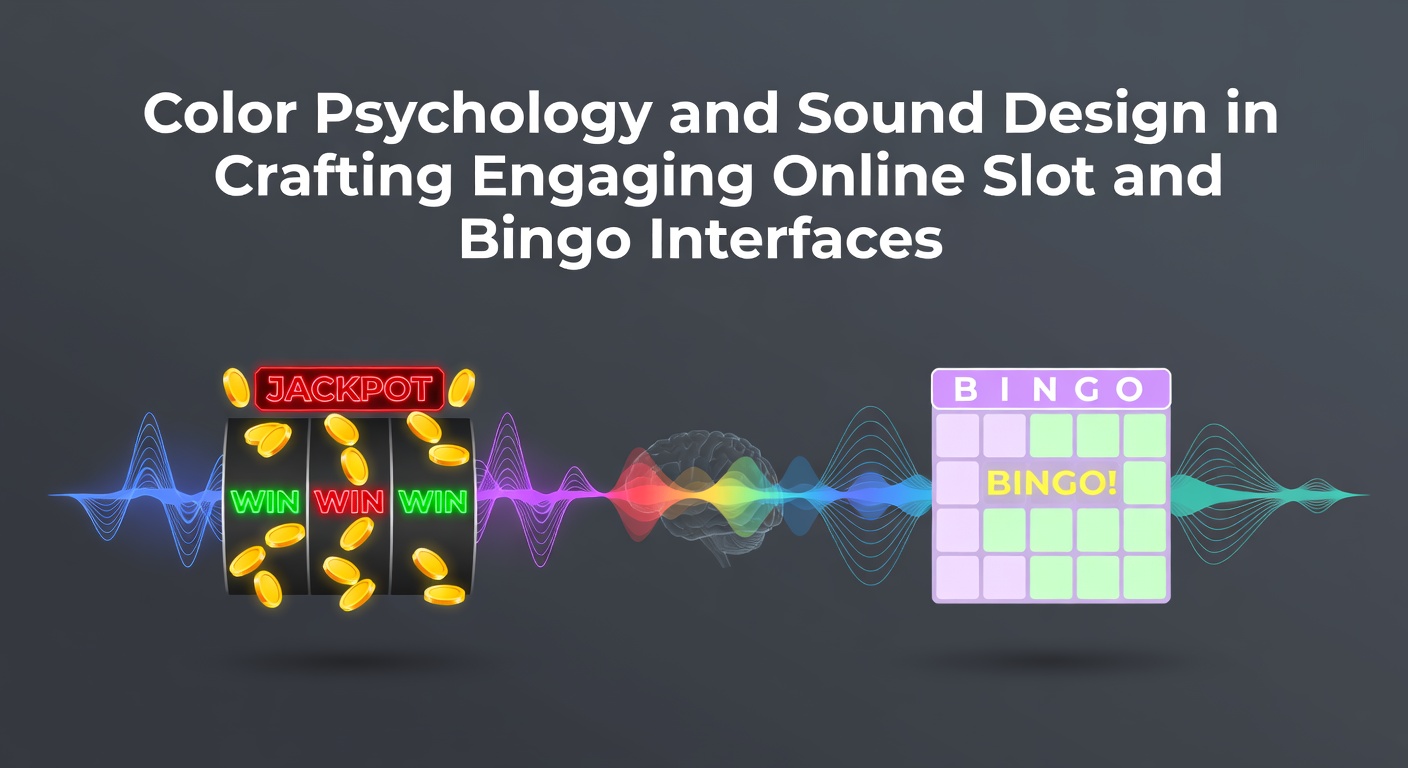
Digital platforms rely on coordinated color palettes and layered audio cues to shape how users interact with slot and bingo titles, and industry data from 2025 shows these elements influence session duration across multiple regions. Developers draw on established principles from cognitive research to select hues that align with specific game themes while sound designers layer effects that match visual pacing. This combination creates environments where players encounter consistent sensory feedback during spins or number draws.
Color Choices and Their Measured Effects
Studies conducted at institutions such as the University of British Columbia have examined how specific wavelengths correlate with attention and decision speed in simulated gaming tasks. Warm tones like reds and oranges appear frequently in jackpot features because they activate arousal pathways documented in controlled experiments, whereas cooler blues and greens tend to appear in base game screens where sustained focus matters more. Bingo interfaces often employ contrasting backgrounds so that number grids remain legible during rapid calls, and operators adjust saturation levels based on regional preferences reported in player analytics.
Design teams test palettes through A/B frameworks before wider release, tracking metrics such as click-through rates on bonus triggers and average time spent reviewing paytables. Evidence from these trials indicates that high-contrast combinations reduce misreads during fast sequences, particularly in mobile versions where screen size limits detail. Regulatory filings from the Nevada Gaming Control Board note that approved titles must demonstrate clear visual hierarchy, which includes color differentiation between active and inactive buttons.
Sound Layers That Support Game Flow
Audio production follows similar testing cycles, with engineers building libraries of short cues for wins, near-misses, and transitions. Research published by the Audio Engineering Society demonstrates that synchronized sound increases perceived event importance without extending actual reel spin times. In bingo rooms the rising pitch of number announcements builds anticipation before the next draw, while slot titles layer ambient tracks that shift in intensity as multipliers accumulate. Volume curves stay within ranges that prevent fatigue during longer sessions, and many platforms allow users to toggle individual effect categories separately from background music.
Developers coordinate these audio elements with animation timing so that a coin cascade sound matches the visual drop rate exactly. Data collected by European operators in 2025 revealed that titles featuring adaptive soundtracks retained users through more bonus rounds compared with static audio versions, though the difference varied by demographic group. Sound designers therefore maintain multiple intensity tiers that activate according to current game state rather than fixed loops.
Integration Across Slot and Bingo Formats
Modern interfaces merge color and sound into unified feedback systems. When a bingo card completes a pattern the background may shift hue while a distinct chime plays, reinforcing the outcome through two channels simultaneously. Slot bonus entries often trigger both a color wash across the reels and a rising musical motif, guiding attention toward the new mechanic without additional text prompts. This dual approach appears in titles released during the first quarter of 2026, where engine updates allow real-time parameter changes based on individual play history.
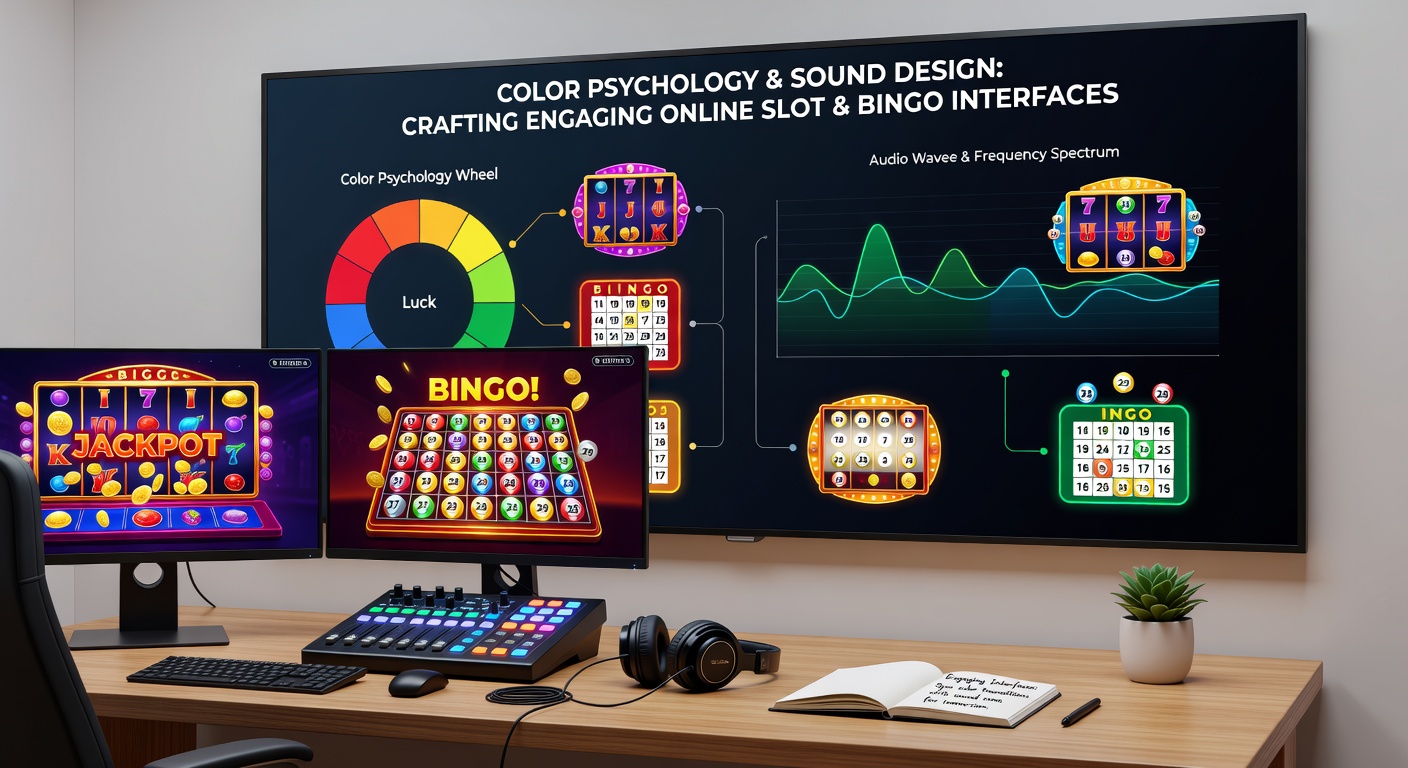
Cross-platform consistency remains a priority, because players frequently switch between desktop and handheld devices during a single session. Color values receive calibration for different display technologies, and audio mixes undergo compression adjustments so that lower-bitrate mobile streams preserve cue clarity. Industry reports from the Australian Communications and Media Authority indicate that accessibility guidelines now recommend optional high-contrast modes and caption-style sound descriptors for users who prefer reduced audio.
Testing and Refinement Processes
Before launch, studios run controlled observation sessions where participants wear eye-tracking equipment while sound levels are recorded separately. Metrics include fixation duration on specific interface zones and heart-rate variability during near-miss sequences. Results feed into iterative adjustments rather than wholesale redesigns, allowing incremental improvements that preserve core theme identity. One documented case involved a progressive slot series where lowering the dominant red saturation by eight percent produced a measurable drop in early session exits.
Post-release monitoring continues through aggregated telemetry that flags unusual patterns in color or audio interaction. If players repeatedly mute certain effects or adjust brightness settings, designers receive alerts for targeted patches. These workflows align with broader platform requirements set by licensing jurisdictions that emphasize transparent user controls over sensory elements.
Current Developments as of May 2026
Recent engine releases incorporate procedural generation for both color gradients and micro-variations in sound timing, reducing repetition across extended play periods. Several major studios have begun publishing white papers that detail how these systems maintain compliance with regional display and audio standards while still delivering thematic cohesion. Observers note that the same techniques appear in bingo variants where seasonal themes rotate automatically, swapping palettes and background scores without requiring separate client downloads.
Collaborations between academic labs and software vendors have produced open datasets on color-emotion mappings that developers reference during early concept phases. These resources supplement internal testing rather than replace it, because platform-specific constraints such as latency and device speaker quality still demand bespoke tuning.
Conclusion
Color and sound function as coordinated tools within slot and bingo interfaces, with measurable impacts on attention allocation and session metrics documented across multiple studies and regulatory records. Ongoing refinement through eye-tracking trials, telemetry analysis, and cross-device calibration keeps these elements aligned with both player expectations and licensing requirements. As new engine capabilities emerge in 2026, the same principles continue to guide implementation while expanding the range of adaptive options available to operators.